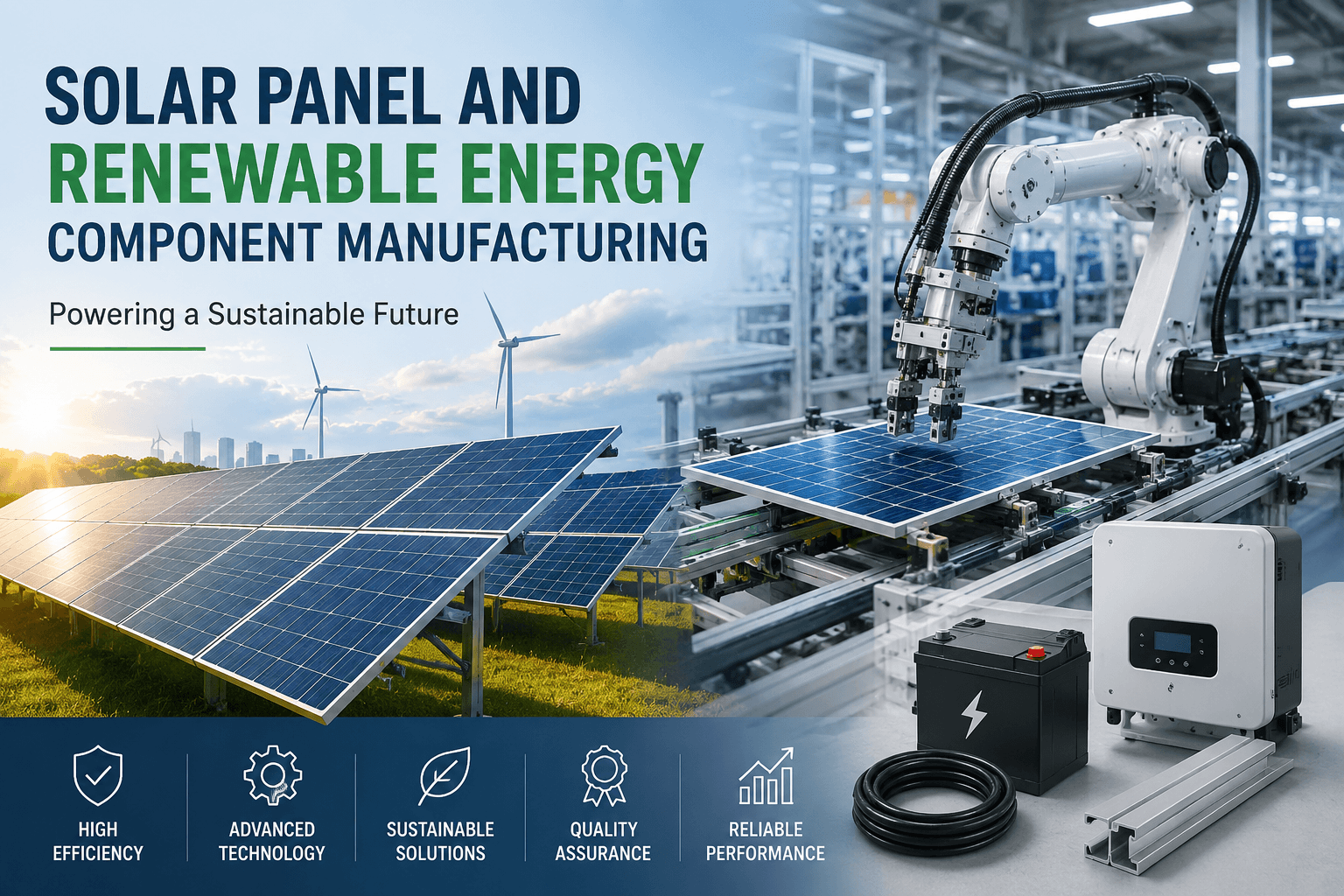
Solar Panel and Renewable Energy Component Manufacturing
Overview
Solar panel and renewable energy component manufacturing is a rapidly growing industry driven by increasing global demand for clean, sustainable energy. Governments, businesses, and consumers are investing heavily in renewable energy solutions to reduce carbon emissions, improve energy security, and lower long-term electricity costs. As a result, manufacturers play a critical role in producing the technologies that power the global transition to renewable energy.
What Is Solar Panel Manufacturing?
Solar panel manufacturing involves producing photovoltaic (PV) modules that convert sunlight into electricity. The process typically includes:
- Producing high-purity silicon
- Manufacturing silicon wafers
- Creating solar cells
- Assembling cells into solar panels
- Testing and quality assurance
- Packaging and distribution
Modern manufacturing facilities use automated production lines to improve efficiency, reduce waste, and maintain consistent product quality.
Renewable Energy Components
Beyond solar panels, manufacturers produce a wide range of components that support renewable energy systems, including:
- Solar inverters
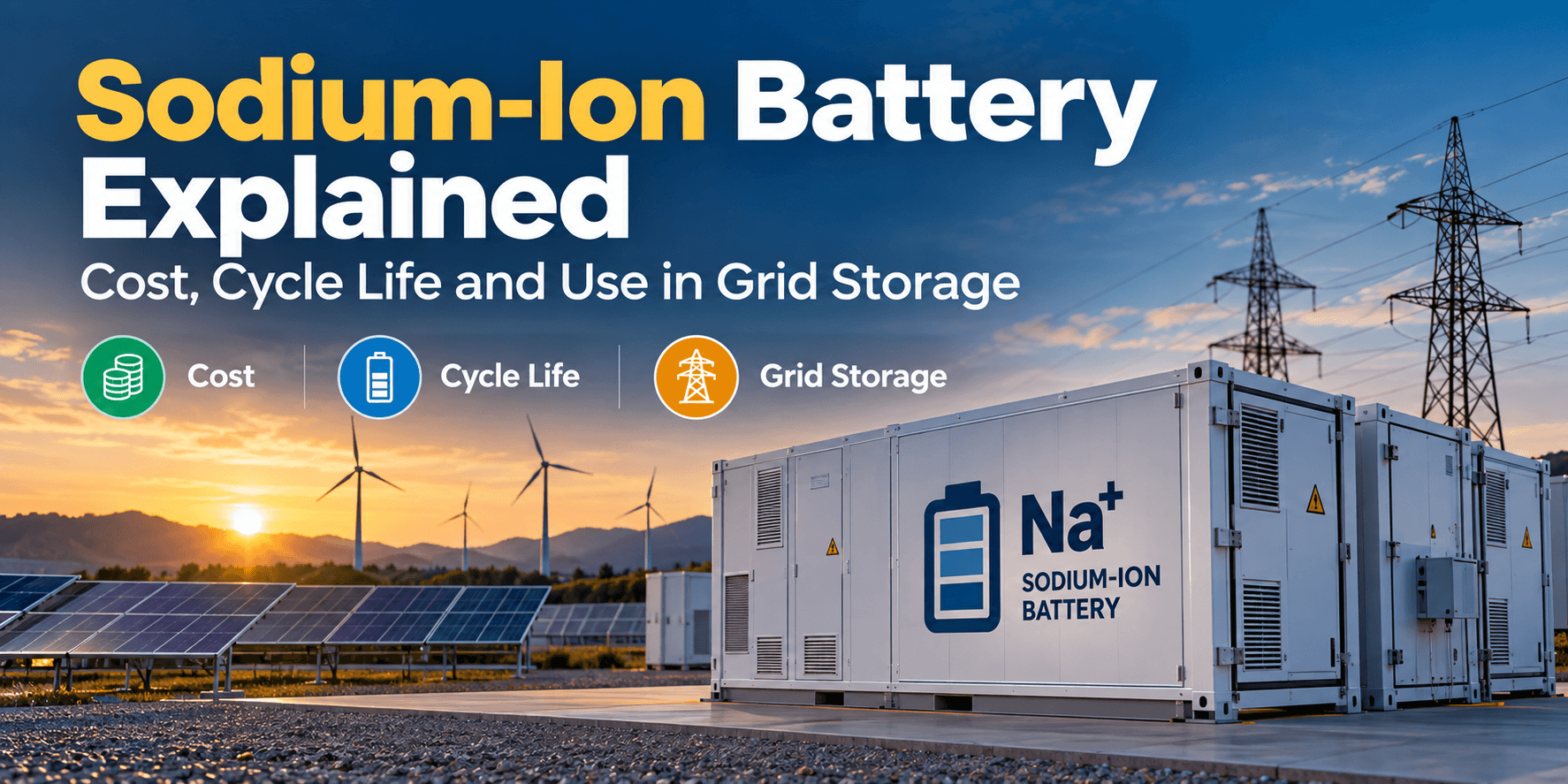
- Battery energy storage systems
- Charge controllers
- Mounting structures and tracking systems
- Electrical cables and connectors
- Junction boxes
- Smart energy monitoring devices
- Wind turbine components
- Power electronics
These components work together to maximize energy generation, storage, and distribution.
Manufacturing Process
A typical renewable energy manufacturing workflow includes:
- Raw material sourcing
- Component fabrication
- Assembly and integration
- Quality inspection
- Performance testing
- Certification and compliance
- Packaging and logistics
Manufacturers often implement lean manufacturing practices and automation to improve productivity while maintaining strict quality standards.
Benefits of Renewable Energy Manufacturing
The industry provides several economic and environmental benefits:
- Supports clean energy adoption
- Creates skilled manufacturing jobs
- Reduces dependence on fossil fuels
- Encourages technological innovation
- Strengthens domestic supply chains
- Contributes to carbon emission reduction
- Supports long-term energy sustainability
Industry Challenges
Despite rapid growth, manufacturers face several challenges:
- Fluctuating raw material prices
- Supply chain disruptions
- Intense global competition
- Evolving environmental regulations
- High capital investment requirements
- Rapid technological advancements
- Recycling and end-of-life panel management
Addressing these challenges requires continuous innovation, strategic sourcing, and investment in advanced manufacturing technologies.
Emerging Trends
Several trends are shaping the future of renewable energy manufacturing:
- High-efficiency solar cell technologies
- AI-powered quality inspection
- Smart factories and Industry 4.0 automation
- Sustainable manufacturing processes
- Solar panel recycling initiatives
- Localized manufacturing to strengthen supply chains
- Integration of energy storage with solar systems
Future Outlook
As countries pursue ambitious renewable energy targets, demand for solar panels and related components is expected to continue growing. Manufacturers that invest in automation, product innovation, sustainability, and resilient supply chains will be well positioned to meet increasing market demand while supporting the global transition to clean energy.