

Oil & Gas EPC Fabrication: What Refineries and Terminals Look for in a Fabrication Partner

For terminal owners, fabrication delays rarely stay in the fabrication shop. A late vessel, piping assembly, structural component, or equipment package can affect site sequencing, contractor productivity, commissioning, and ultimately the planned start-up date.
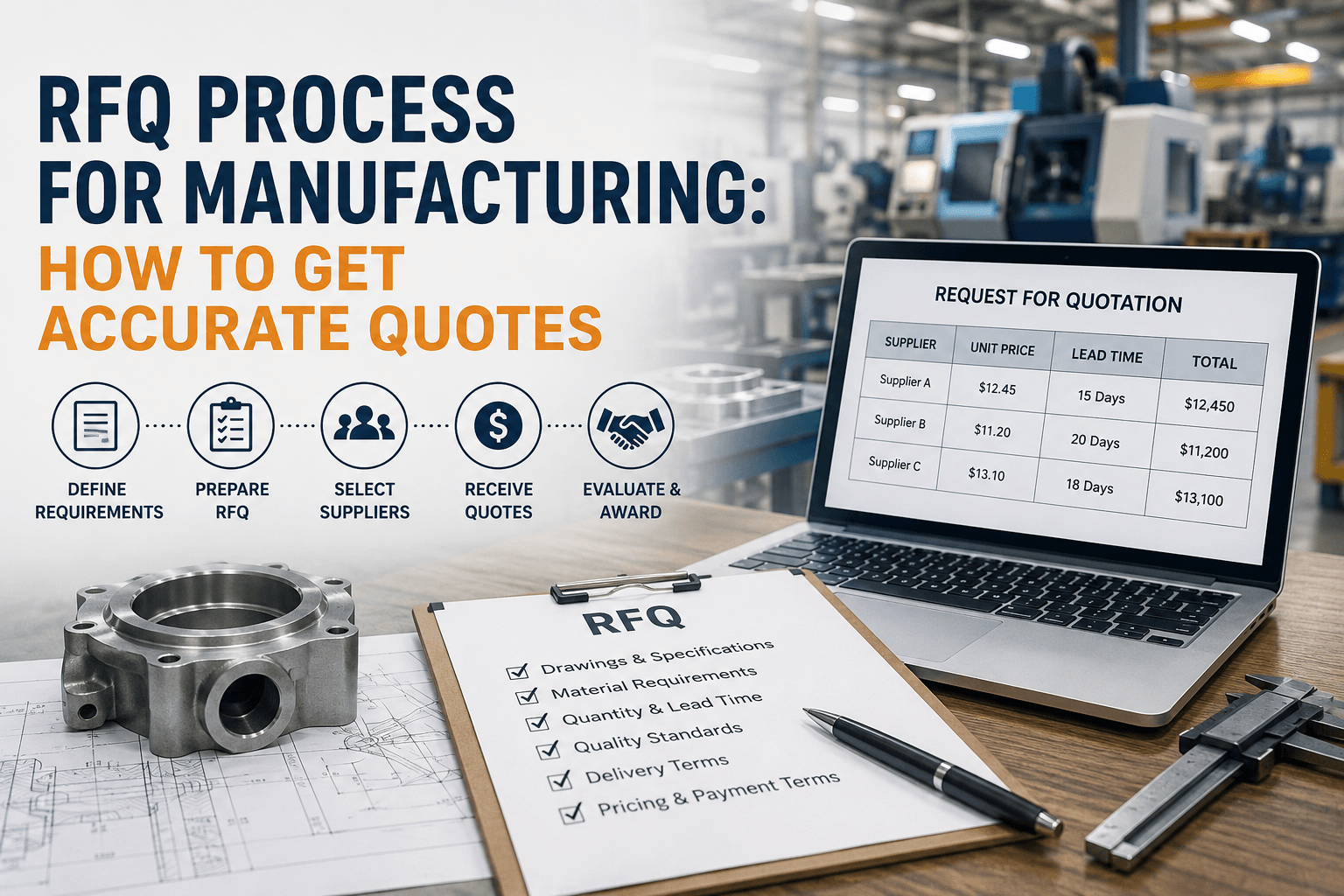
That is why selecting an oil and gas EPC fabrication partner involves more than comparing price and stated lead times.
Terminal owners need confidence that a fabricator can plan the work accurately, manage materials and subcontractors, maintain quality without creating bottlenecks, and deliver fabricated components when the site is ready to receive them.
The right fabrication partner helps make the project schedule more predictable. The wrong one can introduce delays that become increasingly expensive as the project approaches construction and commissioning.
Why Schedule Reliability Matters in Oil & Gas Fabrication
Oil and gas terminal projects involve tightly connected activities. Engineering, procurement, fabrication, transportation, field construction, inspection, testing, and commissioning all depend on one another.
A delay at one stage can quickly affect several others.
For example, if a fabricated piping package arrives late, the impact may extend beyond the piping installation itself. Crews may need to be reassigned. Related equipment installation could be delayed. Testing may move. Other contractors may have to change their work sequence.
The cost of a fabrication delay therefore cannot always be measured by the value of the delayed component.
Terminal owners should evaluate fabrication partners based on their ability to protect the broader project schedule, not simply their ability to provide an aggressive promised delivery date.
1. A Realistic Fabrication Schedule
A short lead time is attractive, but an achievable lead time is more valuable.
Experienced fabrication partners should be able to explain how they developed their schedule. That includes understanding engineering release dates, material availability, shop capacity, inspection requirements, testing, coatings, subcontracted processes, and transportation.
Terminal owners should look beyond the final delivery date and ask what needs to happen before that date can be achieved.
A useful fabrication schedule should identify major milestones such as:
- Approved drawings and engineering releases
- Material purchasing and receipt
- Shop fabrication
- Required inspections
- Testing and documentation
- Surface preparation and coatings, when applicable
- Final acceptance
- Packing and shipment
This visibility makes it easier to identify schedule risks early.
A fabrication partner that promises an unusually fast delivery without explaining the assumptions behind it may be creating more uncertainty rather than less.
2. Strong Material Procurement and Tracking
Fabrication cannot stay on schedule if critical materials are unavailable.
Depending on the project, lead times for plate, pipe, fittings, valves, structural steel, specialty alloys, or other components can influence the entire fabrication sequence.
Terminal owners should evaluate how a fabrication partner handles procurement as part of schedule management.
That includes questions such as:
- When are long-lead materials identified?
- How quickly are purchase orders released?
- How is material status tracked?
- How are supplier delays escalated?
- Are alternative sourcing options evaluated when appropriate?
- How is material traceability maintained?
A reliable fabrication partner does not wait until a promised supplier date is missed before recognizing a problem.
Procurement status should be visible throughout the project so potential delays can be addressed while there are still practical options available.
3. Capacity That Matches the Project Schedule
A fabrication company may have the technical capability to perform the work but still lack the available capacity to meet the required schedule.
That distinction matters.
Before awarding a fabrication package, terminal owners should understand how the project will fit into the fabricator’s existing workload.
Shop space, skilled labor, welding capacity, equipment availability, inspection resources, and subcontractor availability can all affect throughput.
Ask how capacity is allocated and what happens when several projects require the same resources at the same time.
The goal is not necessarily to find the largest fabrication shop. It is to find a partner with sufficient capacity, planning discipline, and resource flexibility for the specific project.
4. Progress Reporting That Shows What Is Actually Happening
A project should not appear to be on schedule until the week a major milestone is missed.
Effective progress reporting gives terminal owners enough information to understand whether fabrication is genuinely advancing according to plan.
Useful reporting may include:
- Engineering and drawing status
- Procurement status
- Material received
- Fabrication progress
- Inspection and testing status
- Current schedule versus baseline
- Upcoming milestones
- Open technical issues
- Schedule risks and recovery actions
The exact reporting format can vary by project. What matters is that the information supports decisions.
A simple “on track” status is less useful than knowing that a critical material shipment is two weeks behind plan but the fabricator has changed the fabrication sequence to protect the final delivery milestone.
That is the kind of visibility terminal owners need.
5. Early Identification of Schedule Risk
Problems occur on complex fabrication projects. The more important question is how quickly they are identified and managed.
Material delays, engineering changes, inspection findings, equipment downtime, labor constraints, and supplier issues can all affect fabrication.
Reliable partners raise these risks early.
They should also explain the likely schedule impact and provide a recovery plan where possible. Depending on the situation, that might involve resequencing work, adding resources, using alternative suppliers, changing shift patterns, or prioritizing critical components.
Late surprises are particularly damaging because the owner has fewer options available.
Transparency gives the terminal owner and EPC team time to coordinate changes elsewhere in the project.
6. Quality Control That Supports the Schedule
Quality and schedule performance should not be treated as competing priorities.
Poor quality creates rework, and rework consumes schedule.
A fabrication partner’s quality program should therefore be evaluated partly through the lens of delivery reliability.
Clear procedures, qualified personnel, documented inspections, appropriate hold points, and disciplined control of fabrication activities can help prevent defects from reaching later stages of the project.
Terminal owners should understand how the fabricator manages quality requirements relevant to the scope, including applicable codes, specifications, welding procedures, material traceability, inspection, testing, and documentation.
Requirements will vary based on the equipment, materials, jurisdiction, and project specification.
The important point is that quality should be built into the fabrication process rather than treated as a final check immediately before shipment.
7. Change Management That Protects Delivery Dates
Changes are common during EPC projects.
A drawing revision, specification update, equipment interface change, or field condition can alter fabrication requirements after work has started.
Without disciplined change management, relatively small revisions can create significant schedule disruption.
Terminal owners should look for fabrication partners that can quickly determine:
- What work is affected.
- Whether materials or completed fabrication are impacted.
- How much additional time is required.
- Whether the work can be resequenced.
- What decisions are needed from the owner or EPC contractor.
Speed matters here.
If a change sits unresolved for several days while crews wait for direction, the schedule impact can become larger than the change itself.
8. Coordination With Engineering and Site Teams
Fabrication does not happen in isolation.
Engineering information needs to arrive at the right time. Technical questions need timely answers. Inspection activities need coordination. Completed components must arrive according to the construction sequence.
For terminal owners, this makes communication capability an important part of vendor selection.
A strong fabrication partner should establish clear responsibilities and communication channels at the beginning of the project.
Everyone should understand who handles technical questions, procurement updates, quality documentation, schedule reporting, shipping coordination, and escalation.
This reduces the time lost when an issue requires a decision.
9. Delivery Planning That Extends Beyond the Shop Door
A fabricated component is not truly delivered until it reaches the required destination in usable condition and at the right time.
Transportation should therefore be considered during fabrication planning, not after the equipment is complete.
Depending on the size and type of fabricated equipment, delivery planning may need to consider dimensions, weight, lifting requirements, transport restrictions, route planning, permits, preservation, packaging, and site access.
Terminal owners should also coordinate deliveries with site readiness.
Shipping a large fabricated package too early can create storage, handling, and preservation challenges. Shipping it too late can leave construction crews waiting.
The objective is not simply fast shipment. It is coordinated delivery that supports the installation sequence.
10. Evidence of Past Schedule Performance
Promises are useful during bidding. Past performance provides stronger evidence.
Terminal owners should ask prospective fabrication partners for examples of comparable work.
Relevant questions include:
- Were previous projects delivered according to the agreed schedule?
- What types of schedule challenges occurred?
- How were delays or changes managed?
- Did the fabricator communicate risks early?
- Can the fabricator provide relevant project references?
- What lessons from similar projects would be applied to this scope?
The closest comparison is not always the project with the same dollar value. Complexity, materials, inspection requirements, logistics, and schedule pressure may be more meaningful indicators.
Questions Terminal Owners Should Ask Before Selecting a Fabrication Partner
Vendor evaluation should test how a fabricator will manage the project, not just what equipment and services it can provide.
Before award, consider asking:
- How was the proposed fabrication schedule developed?
- What assumptions could affect the delivery date?
- Which materials or components present the greatest lead-time risk?
- How will procurement and fabrication progress be reported?
- What shop capacity is committed to this project?
- How are schedule deviations identified and escalated?
- What is the process for handling engineering revisions?
- Which activities depend on subcontractors?
- How will inspection requirements be incorporated into the schedule?
- How is shipping coordinated with site requirements?
- What comparable projects demonstrate reliable delivery performance?
The answers can reveal a significant difference between a company that can fabricate the equipment and one that can reliably deliver it as part of an integrated EPC schedule.
The Lowest Fabrication Bid May Not Produce the Lowest Project Cost
Price will always matter when selecting a fabrication partner, but fabrication cost should be considered alongside schedule risk.
A lower bid can become expensive if delayed delivery contributes to idle field labor, disrupted construction sequencing, additional equipment rentals, expedited freight, rework, or delayed commissioning.
Terminal owners should therefore evaluate total project impact rather than purchase price alone.
This does not mean paying more automatically produces better performance. It means comparing bids based on both commercial terms and the credibility of the execution plan.
A realistic schedule backed by procurement planning, capacity, quality controls, progress visibility, and proven execution can carry substantial value.
Choosing an Oil & Gas EPC Fabrication Partner
For terminal owners, reliable fabrication is ultimately about predictability.
The strongest fabrication partners do more than manufacture components to drawings. They understand how their work fits into engineering, procurement, construction, and commissioning.
They provide realistic schedules, identify material risks early, maintain visibility into progress, manage changes quickly, coordinate quality activities, and plan delivery around the needs of the site.
When evaluating an oil and gas EPC fabrication partner, ask a simple question:
How confident are we that this company can deliver the required scope, at the required quality, when our project actually needs it?
The answer should come from the fabricator’s planning process, capacity, communication, controls, and track record, not from the promised delivery date alone.
FAQs
Q. What should terminal owners look for in an oil and gas fabrication company?
Terminal owners should evaluate technical capability, quality systems, available capacity, procurement controls, schedule management, communication, change management, logistics planning, and relevant project experience. The partner should be able to demonstrate how these capabilities support reliable delivery.
Q. Why is fabrication schedule reliability important for terminal projects?
Fabrication activities are connected to field construction, testing, installation, and commissioning. Late fabricated components can disrupt work sequencing and create additional project costs, even when the component itself represents a relatively small portion of the overall project.
Q. How can terminal owners reduce fabrication delays?
Start by establishing realistic engineering and procurement milestones, identifying long-lead materials early, monitoring fabrication progress against a baseline schedule, resolving technical questions quickly, and requiring early escalation of potential delays.
Q. Should terminal owners choose a fabrication partner based on price?
Price is an important consideration, but it should not be evaluated in isolation. Terminal owners should compare the purchase price with execution risk, quality, schedule credibility, capacity, and the potential project cost of late delivery.
Q. What should be included in fabrication progress reports?
Reports should provide enough information to identify whether work is progressing according to plan. Depending on the scope, this can include engineering status, procurement progress, material availability, fabrication completion, inspection and testing, upcoming milestones, schedule variances, and recovery actions.