Lithium Battery Manufacturers in India: Top Players, Capacity and What to Look For
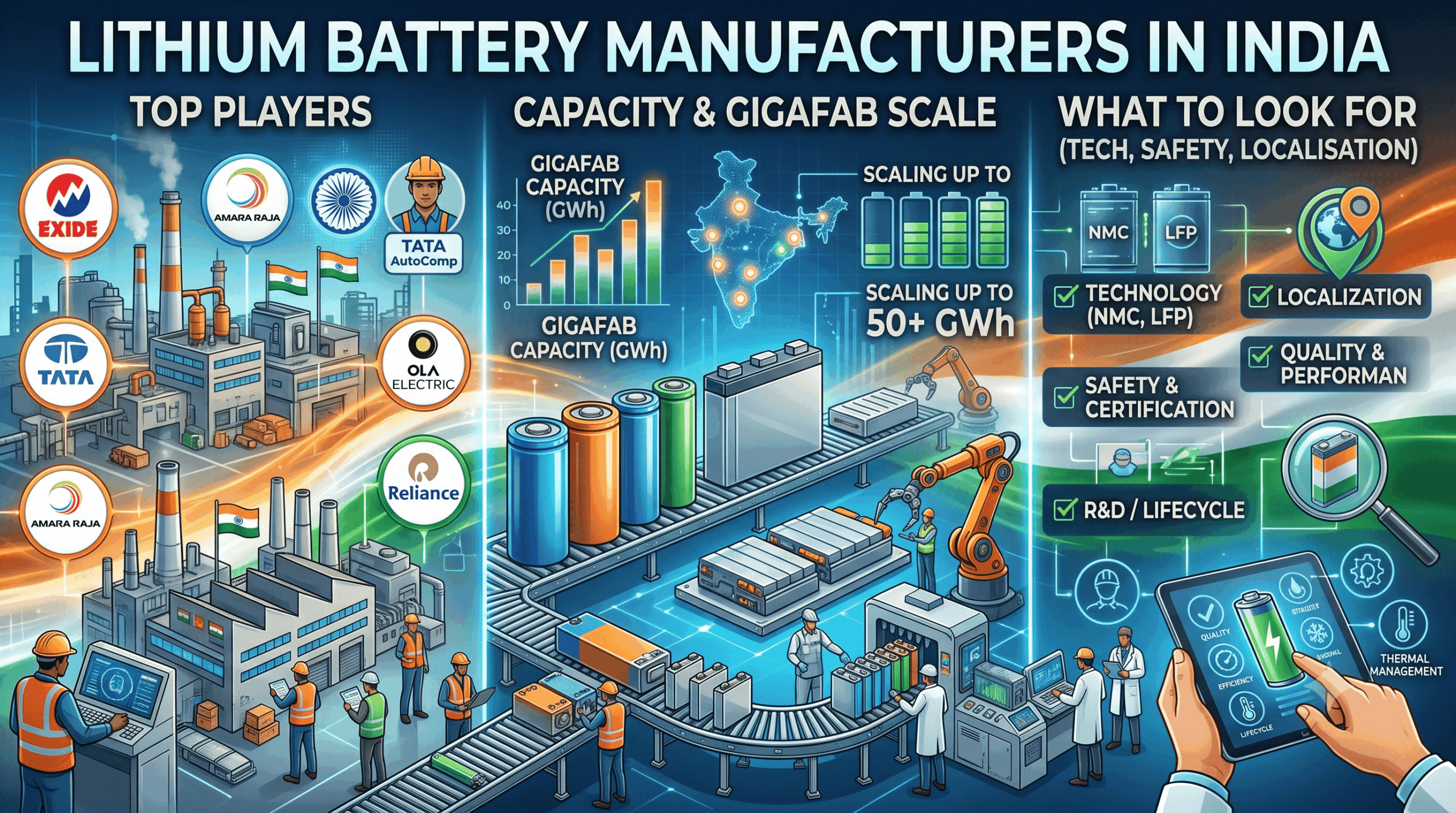
India’s lithium-ion battery industry is expanding as electric vehicles, renewable energy storage, and domestic battery production gain momentum. For businesses sourcing batteries, choosing a manufacturer involves more than comparing prices. Production capacity, cell chemistry, product quality, safety certifications, and supply reliability all play an important role.
The following guide covers the leading lithium battery manufacturers in India, their manufacturing capabilities, and the factors businesses should evaluate before selecting a supplier. It distinguishes cell manufacturers from battery pack makers, since the two serve different needs.
Top Lithium Battery Manufacturers in India
India’s battery manufacturing landscape includes established battery companies expanding into lithium-ion technology, EV-focused manufacturers, and new businesses building large cell factories. These companies should not be treated as interchangeable because their products, production capabilities, and commercial readiness differ.
Capacity figures below refer to announced, installed, or planned capacity as specified. They are not a ranking of actual annual output. Information reviewed as of October 2026.
1. Exide Industries / Exide Energy Solutions
Bengaluru, Karnataka
Exide is an established battery manufacturer expanding into lithium-ion cells, modules, and battery packs. Its existing battery business and industrial customer relationships make it a relevant supplier to evaluate for automotive and energy storage applications.
- Cell capacity: 6 GWh planned for Phase 1, with expansion potential to 12 GWh.
- Manufacturing status: The Bengaluru facility progressed to sample supplies and customer qualification during FY 2025-26.
- Best suited for: Automotive OEMs, industrial customers, EV batteries, and stationary storage.
Verify commercial production status, available cell formats, and qualification timelines directly with the company.
2. Amara Raja Energy & Mobility
Telangana, India
Amara Raja is building an advanced battery manufacturing business alongside its established lead-acid battery operations. Its New Energy division is developing capabilities across cell technology, battery packs, and energy storage systems.
- Cell capacity: 16 GWh planned across its gigafactory programme.
- Qualification facility: A 60 MWh Customer Qualification Plant was commissioned in July 2026.
- Commercial production: The first 2 GWh commercial cell facility is targeted for 2027.
- Best suited for: EV manufacturers, battery pack integrators, and energy storage businesses.
Its qualification facility is important for OEMs that need to test cells before committing to high-volume supply.
3. Ola Electric
Tamil Nadu, India
Ola Electric is developing domestic cell manufacturing focused on its electric mobility ecosystem. Its gigafactory programme centres on 4680-format cells, a cylindrical cell design used in advanced battery systems.
- Initial cell capacity: 1 GWh installed capacity reported by the government.
- Expansion target: Up to 20 GWh.
- Best suited for: EV applications and buyers evaluating domestically manufactured cylindrical cells.
The distinction between installed capacity and actual commercial output is important. Confirm production volumes, external customer access, and cell qualification before selecting Ola as a third-party supplier.
4. Agratas
Sanand, Gujarat
Agratas, part of the Tata Group, is developing large-scale battery manufacturing capacity to support electric mobility and energy storage. Its domestic manufacturing plans are part of India’s broader effort to reduce dependence on imported battery cells.
- Announced capacity: 20 GWh for its Gujarat project.
- Project status: Manufacturing development is underway, with operations targeted for 2028.
- Best suited for: Automotive supply chains, large-volume cell procurement planning, and future domestic sourcing.
Because this is a developing project, treat the announced capacity as a future target rather than currently available supply.
5. Reliance Industries
Gujarat, India
Reliance is investing in new energy technologies, including advanced battery cell manufacturing. Its planned battery operations form part of a wider strategy covering renewable energy, energy storage, and related industrial supply chains.
- PLI-allotted capacity: 15 GWh across two programme entities.
- Manufacturing status: The government’s published figures showed zero installed capacity for these two entities as of December 31, 2025.
- Best suited for: Businesses assessing future large-scale domestic cell supply and energy storage partnerships.
Buyers should confirm commissioning milestones and commercial availability rather than relying on planned capacity alone.
6. TDK / ATL
Haryana, India
TDK, through its battery technology operations, is relevant to buyers of compact lithium-ion batteries and battery packs. Its Indian manufacturing presence is particularly worth investigating for electronics and smaller-format battery applications.
- Manufacturing focus: Lithium-ion batteries and packs for electronics-related applications.
- Capacity consideration: Pack production figures are not directly comparable with GWh-scale EV cell factories.
- Best suited for: Electronics manufacturers and businesses needing compact battery solutions.
Confirm the specific Indian facility, product range, and whether the company accepts external OEM orders for your application.
Other companies worth evaluating include Luminous Power Technologies, Livguard, Okaya Power, and HBL Engineering. These companies participate in battery, power backup, industrial, or energy storage markets. However, buyers should establish whether a particular product is manufactured in-house, assembled from purchased cells, or sourced from another supplier.
Lithium Battery Manufacturers in India: Capacity Comparison
The following comparison separates the published capacity targets from confirmed installed capacity. This matters because a plant’s announced capacity does not tell you how many qualified cells it can supply today.
| Manufacturer | Announced or targeted capacity | What buyers should know |
|---|---|---|
| Exide Energy Solutions | 6 GWh Phase 1 | Cell production ramp-up and customer qualification |
| Amara Raja | 16 GWh | Qualification plant commissioned; commercial scale-up planned |
| Ola Electric | 1 GWh installed; expandable to 20 GWh | Confirm production ramp-up and external supply |
| Agratas | 20 GWh | Planned project, operations targeted for 2028 |
| Reliance New Energy | 15 GWh under PLI awards | Installed capacity was reported as zero for the two entities at the end of 2025 |
| TDK / ATL | Different capacity metrics | Assess specific products and pack output, not only cell capacity |
Sources: Ministry of Heavy Industries, company disclosures, and industry reporting.
What does GWh capacity mean?
GWh, or gigawatt-hours, measures the amount of energy a battery factory can produce over a stated period. It is commonly used to describe large-scale cell manufacturing capacity.
For context, 1 GWh equals 1,000 MWh. However, the figure is only meaningful when you know whether it refers to:
- Announced capacity: A company has disclosed a future manufacturing target.
- Installed capacity: Manufacturing equipment has been installed, though it may not yet be operating at full capacity.
- Operational capacity: The facility is producing batteries.
- Actual output: The quantity of cells or batteries produced during a specified period.
A factory with 10 GWh of installed capacity may produce substantially less than 10 GWh during its ramp-up phase. Yield losses, equipment commissioning, customer qualification, and downtime all affect output.
Cell Manufacturers vs. Battery Pack Manufacturers
One of the most important distinctions when choosing a lithium battery supplier is whether the company manufactures the cells themselves or assembles battery packs using purchased cells.
Lithium-ion cell manufacturers
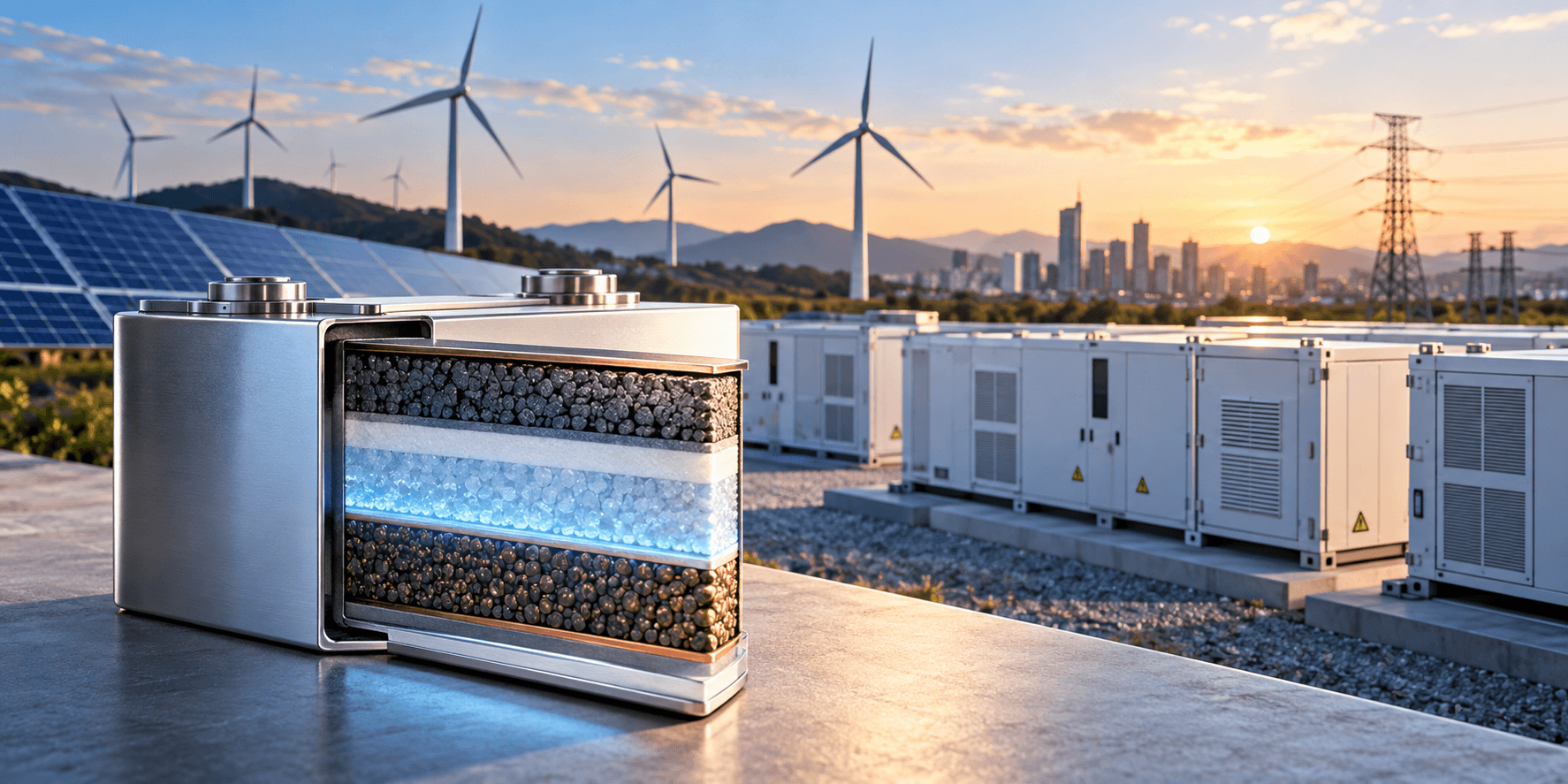
These companies produce the individual cells that store electrical energy. Manufacturing involves processes such as electrode preparation, cell assembly, electrolyte filling, formation, and testing.
Choose this route when: You need high-volume cell procurement, custom cell specifications, or direct control over cell sourcing.
Battery pack manufacturers and integrators
These businesses combine cells with a battery management system (BMS), enclosure, wiring, cooling or thermal management, and protective components.
Choose this route when: You need a finished battery for an EV, solar storage system, industrial machine, or backup power application.
A company may perform both activities. The right question is not simply whether it calls itself a lithium battery manufacturer, but which manufacturing steps it controls and which it outsources.
What to Look for When Choosing a Lithium Battery Manufacturer
A supplier’s name and advertised capacity are useful starting points, but they are not enough to make a procurement decision. Evaluate the following factors before requesting a commercial quote.
1. Battery Chemistry and Application
Different lithium-ion chemistries suit different operating conditions.
| Chemistry | Common applications | Main consideration |
|---|---|---|
| LFP (lithium iron phosphate) | Solar storage, commercial EVs, stationary storage | Strong thermal stability and cycle-life potential |
| NMC (nickel manganese cobalt) | Passenger EVs, high-energy-density packs | Higher energy density, with more demanding thermal management requirements |
| LTO (lithium titanate) | Specialised industrial systems, high-power applications | Fast charging and long cycle life, often with higher cost and lower energy density |
LFP is often worth considering for stationary storage because of its thermal characteristics and cycle-life potential. NMC may be more suitable when space and weight are critical.
Neither chemistry is universally better. Compare performance at the intended temperature, discharge rate, operating voltage, and depth of discharge.
2. Manufacturing Capacity and Delivery Reliability
Ask suppliers to distinguish their rated capacity from their current production output.
Useful questions include:
- What is the plant’s actual monthly production volume?
- What percentage of production meets the required quality specifications?
- Can the manufacturer meet your forecast for the next 12 to 24 months?
- Does it have a qualified backup production line or alternate sourcing arrangement?
- What is the lead time for samples, validation, and repeat orders?
For large orders, request a production forecast and delivery schedule rather than relying on a general statement that the factory has sufficient capacity.
3. Cell Quality and Safety Certifications
Battery safety depends on the cells, battery management system, mechanical design, thermal management, and intended operating environment.
Ask for relevant test reports and certifications for the exact cell, pack, and application being purchased. Depending on the use case, these may include:
- IEC 62619 for safety requirements relevant to industrial secondary lithium cells and batteries.
- UN 38.3 testing for lithium batteries transported under applicable dangerous-goods rules.
- AIS-156 or other applicable Indian automotive requirements for relevant EV battery systems.
- IEC 62133-2 for applicable portable sealed secondary lithium cells and batteries.
A certificate for a cell does not automatically certify the complete battery pack. Verify the model number, scope, test laboratory, validity, and regulatory requirements for your market.
4. Battery Management System and Thermal Design
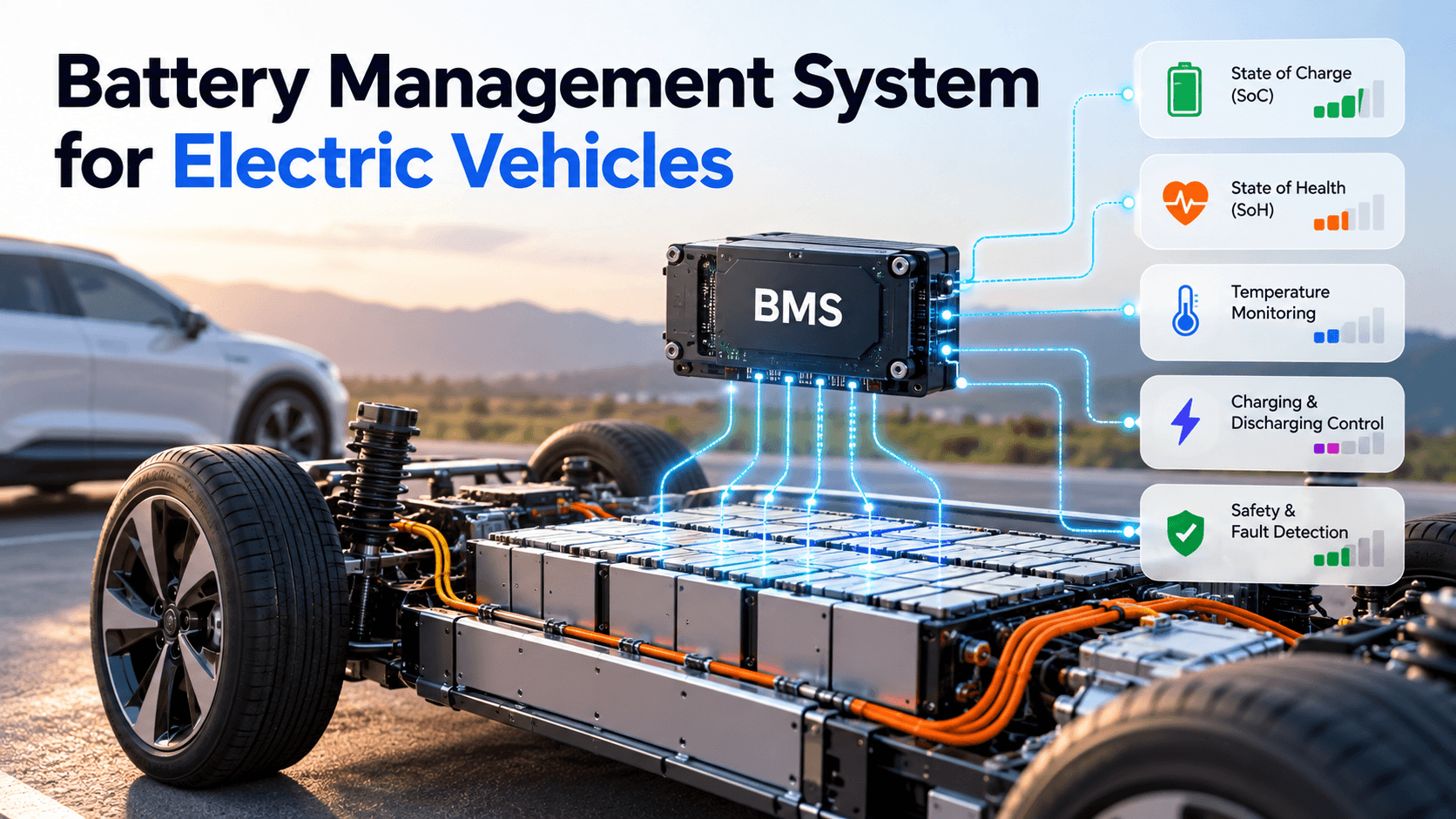
The battery management system monitors cell voltage, temperature, current, and other operating conditions. Depending on the design, it may also balance cells, estimate state of charge, and manage charging or discharging limits.
When evaluating a pack supplier, ask about:
- Overvoltage, undervoltage, overcurrent, and short-circuit protection.
- Temperature monitoring and thermal runaway mitigation.
- Cell balancing and battery state estimation.
- Communication protocols such as CAN, where required.
- Firmware updates, fault logs, diagnostics, and system integration.
For industrial and commercial systems, these details can have a direct impact on uptime, service costs, and operational safety.
5. Warranty, Cycle Life, and Total Cost of Ownership
The lowest purchase price does not always produce the lowest long-term cost.
Compare the battery’s expected performance under your actual operating conditions, including temperature, charge and discharge rates, depth of discharge, and daily cycling.
Ask for a written warranty that defines:
- The warranty period and cycle-life assumptions.
- Minimum retained capacity at the end of the warranty.
- Permitted operating and storage temperatures.
- Charging and discharging limits.
- Replacement, repair, and service procedures.
For a solar storage project, for example, a battery with a higher initial cost may offer better value if it delivers more usable energy over its service life.
6. Supply Chain and After-Sales Support
Domestic assembly does not necessarily mean that all cells, raw materials, or components are sourced in India.
Ask where the cells originate, whether the supplier can trace batches, how it handles quality failures, and which components depend on imports. Also confirm whether local technical support, replacement packs, and warranty service are available.
For critical installations, the supplier’s response time and spare-parts availability may matter as much as the battery’s headline specifications.
How to Choose a Manufacturer for Your Business
The best supplier depends on the battery’s intended use, volume requirements, and level of customisation.
For electric vehicle manufacturers
Prioritise cell consistency, energy density, charging performance, thermal management, automotive qualification, and the ability to support long-term vehicle production. Evaluate Exide, Amara Raja, Ola Electric, and developing domestic cell programmes based on your chemistry and volume needs.
For solar and stationary energy storage
Focus on LFP options where appropriate, usable energy, cycle life, round-trip efficiency, safety controls, system integration, and warranty terms. Compare suppliers that can deliver complete battery energy storage systems as well as qualified cells.
For industrial equipment and backup power
Look for dependable pack integration, electrical compatibility, predictable service support, and proven operation under the required temperature and load conditions.
For electronics and small devices
Prioritise cell dimensions, energy density, discharge characteristics, product consistency, transport compliance, and the manufacturer’s ability to supply the required form factor.
Questions to Ask Before Requesting a Quote
A structured request for quotation (RFQ) makes it easier to compare suppliers on equal terms. Include the following information in your enquiry:
- Required battery chemistry and cell format.
- Nominal voltage, capacity, and usable energy.
- Peak and continuous charge/discharge current.
- Expected annual order volume and production ramp-up.
- Operating temperature, enclosure, and environmental requirements.
- Required certifications and customer qualification standards.
- Warranty, service expectations, and target delivery dates.
- Pricing by order volume, including tooling, testing, and logistics.
Ask each supplier to respond using the same specification sheet. This reduces the risk of comparing a low-cost, lower-performance battery with a more expensive product that provides greater usable capacity or a longer service life.
Frequently Asked Questions
Who is the largest lithium battery manufacturer in India?
There is no single answer without defining the metric. Installed cell capacity, actual annual output, battery pack production, and total battery business revenue measure different things. Companies such as Exide, Amara Raja, Ola Electric, Agratas, and Reliance are relevant to India’s expanding cell manufacturing market, but their operational capacities differ.
Which Indian companies manufacture lithium-ion cells domestically?
Exide Energy Solutions, Ola Cell Technologies, and Amara Raja’s advanced cell business are among the key domestic cell manufacturing initiatives. Agratas and Reliance are also developing large-scale manufacturing capacity. Buyers should verify commercial availability and production status for the specific cell they need.
What is the difference between a 1 GWh and a 10 GWh battery factory?
A 10 GWh factory has ten times the nominal annual energy production capacity of a 1 GWh factory, assuming comparable definitions and operating conditions. Actual output depends on manufacturing yield, equipment utilisation, product specifications, and the maturity of the production line.
Are lithium battery packs manufactured in India?
Yes. India has established battery pack assembly and integration operations serving EVs, telecom, industrial equipment, and stationary storage. However, some packs use imported cells, so buyers should verify the origin and traceability of the cells separately from the location of pack assembly.
What is the outlook for lithium battery manufacturing in India?
The outlook is supported by electric mobility, renewable energy storage, and government efforts to establish domestic advanced chemistry cell production. The Ministry of Heavy Industries has set a 50 GWh target under its production-linked incentive programme, while companies have announced additional capacity plans. The pace at which these projects achieve commercial production remains an important factor for buyers.
Conclusion
India’s lithium battery manufacturing sector offers a growing range of options, from established battery companies expanding into lithium-ion technology to new gigafactory projects targeting large-scale cell production.
For procurement teams, the most useful starting point is to identify whether the requirement is for cells, modules, or complete battery packs. Then compare operational production capacity, chemistry, safety documentation, quality controls, warranty terms, and supply commitments.
A manufacturer with a large announced capacity is not automatically the best supplier. The better choice is the one that can meet your technical requirements, demonstrate consistent quality, and deliver the right product at the required scale.