

Supplier Risk Management: Identifying and Mitigating Vendor Risk
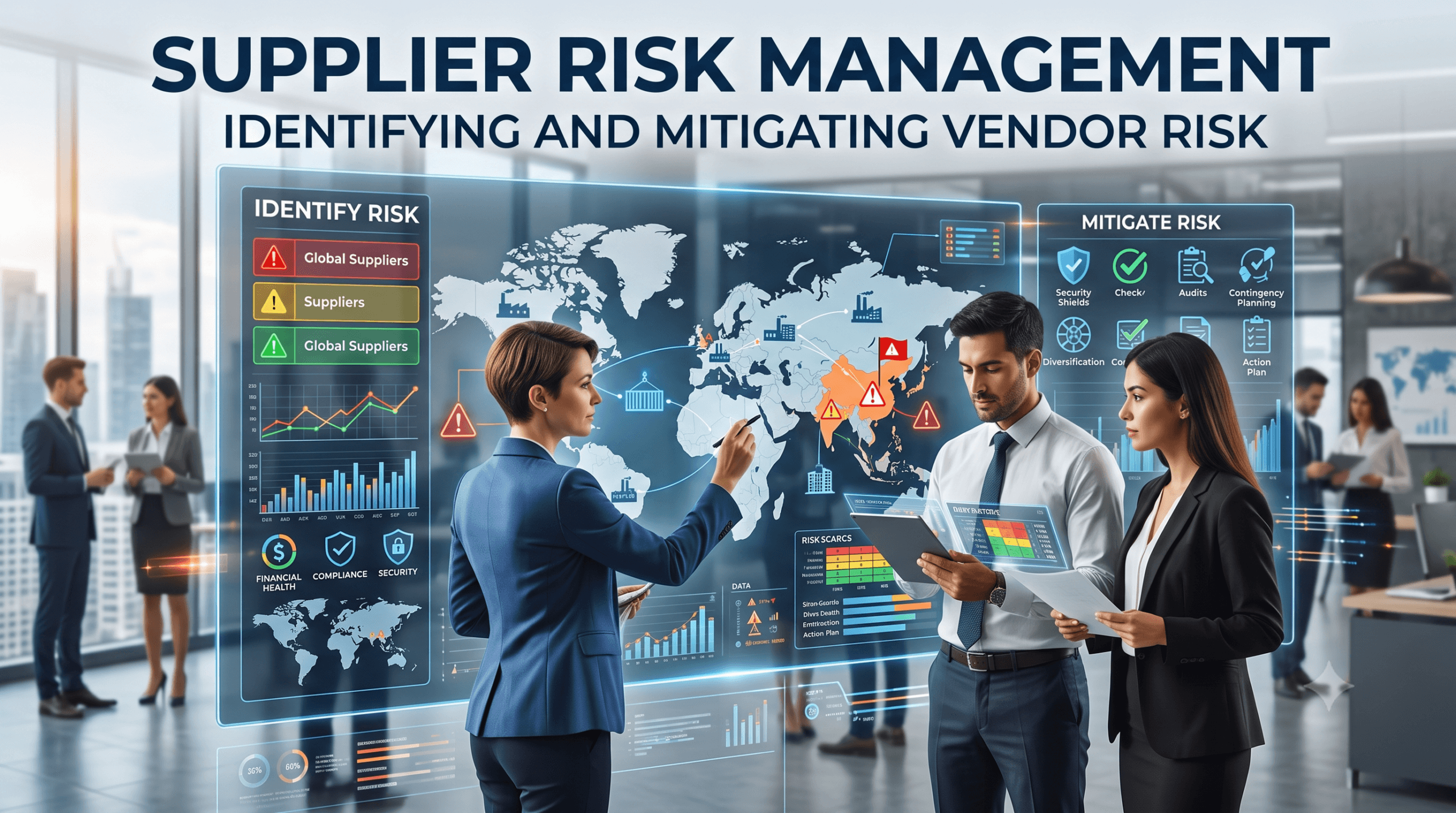
Every business depends on suppliers. Whether they provide raw materials, software, logistics, or professional services, vendors play a critical role in day-to-day operations. But every supplier also introduces some level of risk.
A delayed shipment, cybersecurity breach, financial failure, or compliance issue at a single vendor can disrupt operations, increase costs, and damage customer trust. That is why supplier risk management has become a core part of business resilience.
This guide explains what supplier risk management is, why it matters, the most common vendor risks, and practical steps organizations can take to reduce them.
What Is Supplier Risk Management?
Supplier risk management is the process of identifying, assessing, monitoring, and reducing risks associated with third-party vendors and suppliers.
The goal is not to eliminate every risk. Instead, organizations aim to understand potential threats, prioritize high-risk suppliers, and put controls in place before issues affect the business.
An effective supplier risk management program combines ongoing monitoring with clear governance, regular communication, and data-driven decision making.
Why Supplier Risk Management Matters
Businesses today rely on larger and more complex supplier networks than ever before. A single product or service may depend on dozens of third-party vendors spread across multiple regions.
Without proper oversight, organizations may face:
- Supply chain disruptions
- Financial losses
- Regulatory penalties
- Data security incidents
- Operational downtime
- Reputational damage
- Customer dissatisfaction
A proactive approach helps organizations respond faster, improve supplier relationships, and maintain business continuity during unexpected events.
Common Types of Supplier Risk
Understanding different categories of risk helps organizations build a more comprehensive mitigation strategy.
Operational Risk
Operational risks occur when suppliers fail to deliver products or services as expected. Common causes include manufacturing delays, labor shortages, transportation disruptions, or poor quality control.
Financial Risk
A supplier experiencing financial instability may struggle to fulfill contracts or cease operations altogether. Monitoring financial health helps organizations identify warning signs before disruptions occur.
Cybersecurity Risk
Suppliers often have access to sensitive systems or business data. Weak cybersecurity practices can expose organizations to ransomware attacks, data breaches, and unauthorized access.
Vendor security assessments, regular audits, and contractual security requirements help reduce these risks.
Compliance and Regulatory Risk
Suppliers must comply with industry regulations, environmental standards, labor laws, and privacy requirements. Non-compliance can create legal and financial consequences for both the supplier and the purchasing organization.
Geopolitical Risk
Political instability, trade restrictions, sanctions, and regional conflicts can interrupt global supply chains and increase procurement costs.
Diversifying suppliers across different regions can improve resilience.
Environmental and Sustainability Risk
Customers and regulators increasingly expect organizations to work with responsible suppliers. Environmental violations or unethical labor practices can negatively affect brand reputation.
How to Identify Supplier Risks
Effective supplier risk management begins with structured risk identification.
1. Create a Complete Supplier Inventory
Develop a centralized list of all suppliers, including:
- Products or services provided
- Contract values
- Geographic locations
- Business criticality
- Data access levels
- Contract renewal dates
A complete supplier inventory provides visibility across the entire vendor ecosystem.
2. Classify Suppliers by Criticality
Not every supplier presents the same level of risk.
Classify vendors based on factors such as:
- Impact on business operations
- Access to confidential information
- Regulatory exposure
- Revenue dependency
- Availability of alternative suppliers
Critical suppliers should receive more frequent reviews and monitoring.
3. Perform Risk Assessments
Assess suppliers using standardized criteria, including:
- Financial stability
- Information security
- Compliance history
- Operational performance
- Business continuity planning
- Geographic exposure
- ESG performance
Using consistent scoring models helps prioritize risk mitigation efforts.
4. Conduct Due Diligence
Before onboarding new vendors, verify important information such as:
- Business licenses
- Insurance coverage
- Security certifications
- Regulatory compliance
- Financial statements
- Customer references
- Audit reports
Thorough due diligence reduces onboarding risks.
Strategies to Mitigate Vendor Risk
Identifying risks is only the first step. Organizations must also implement effective controls.
Diversify Suppliers
Relying on a single supplier creates unnecessary vulnerability.
Maintaining qualified backup suppliers helps reduce disruptions caused by unexpected events.
Strengthen Contracts
Contracts should clearly define:
- Service level agreements (SLAs)
- Security requirements
- Compliance obligations
- Incident reporting timelines
- Audit rights
- Performance expectations
- Termination clauses
Well-written contracts establish accountability and reduce uncertainty.
Continuously Monitor Suppliers
Supplier risk changes over time.
Monitor vendors regularly through:
- Performance reviews
- Security assessments
- Financial monitoring
- Compliance checks
- News monitoring
- Risk score updates
Continuous monitoring enables early detection of emerging risks.
Develop Business Continuity Plans
Prepare response plans for high-impact scenarios, including:
- Supplier bankruptcy
- Natural disasters
- Cyberattacks
- Transportation delays
- Regulatory changes
Organizations that plan ahead recover faster during disruptions.
Improve Supplier Collaboration
Strong supplier relationships improve transparency and communication.
Regular business reviews encourage suppliers to discuss challenges early, allowing both parties to work together on solutions.
The Role of Technology in Supplier Risk Management
Manual spreadsheets are difficult to maintain as supplier networks grow.
Modern supplier risk management platforms help organizations:
- Centralize supplier information
- Automate vendor onboarding
- Track compliance documents
- Monitor supplier performance
- Identify emerging risks
- Generate audit reports
- Send automated assessment reminders
- Create risk dashboards
Automation reduces administrative work while improving visibility across the supplier lifecycle.
Key Metrics to Track
Monitoring the right metrics helps organizations measure the effectiveness of their supplier risk management program.
Useful KPIs include:
- Percentage of high-risk suppliers
- Supplier assessment completion rate
- Average vendor risk score
- On-time delivery rate
- Compliance audit success rate
- Security incident frequency
- Supplier contract renewal rate
- Time to resolve supplier issues
Tracking trends over time supports better decision making and continuous improvement.
Best Practices for Supplier Risk Management
Organizations with mature vendor risk programs typically follow several proven practices:
- Standardize supplier assessments across departments.
- Review supplier risk regularly rather than only during onboarding.
- Prioritize critical vendors based on business impact.
- Keep supplier information current.
- Automate repetitive risk management tasks where possible.
- Include cybersecurity, compliance, financial, and operational risks in every assessment.
- Maintain clear communication with suppliers.
- Regularly test business continuity and incident response plans.
These practices create a stronger and more resilient supplier ecosystem.
Common Challenges
Supplier risk management often becomes more difficult as organizations grow.
Common challenges include:
- Limited visibility into supplier networks
- Manual tracking processes
- Inconsistent risk assessments
- Increasing regulatory requirements
- Expanding global supply chains
- Resource constraints
- Incomplete supplier documentation
Technology, standardized processes, and executive support can help address these challenges.
Conclusion
Supplier risk management is no longer just a procurement responsibility. It is an essential business function that protects operations, customers, and long-term growth.
By identifying supplier risks early, performing structured assessments, continuously monitoring vendor performance, and strengthening supplier relationships, organizations can reduce disruptions and build more resilient supply chains.
As supplier ecosystems become increasingly interconnected, businesses that invest in proactive vendor risk management will be better positioned to navigate uncertainty while maintaining operational stability.
Key Takeaways
- Supplier risk management identifies and reduces risks associated with third-party vendors.
- Vendor risks include operational, financial, cybersecurity, compliance, geopolitical, and sustainability concerns.
- Risk assessments and supplier classification help prioritize mitigation efforts.
- Continuous monitoring provides early visibility into emerging supplier issues.
- Technology improves efficiency through automation, centralized data, and real-time risk monitoring.
Frequently Asked Questions
Q. What is supplier risk management?
Supplier risk management is the process of identifying, assessing, monitoring, and mitigating risks associated with third-party suppliers throughout the vendor lifecycle.
Q. Why is vendor risk management important?
Vendor risk management helps organizations reduce operational disruptions, strengthen compliance, protect sensitive data, improve supplier performance, and maintain business continuity.
Q. How often should suppliers be assessed?
Critical suppliers should typically be reviewed at least annually, with continuous monitoring for financial, cybersecurity, and operational changes. Higher-risk vendors may require more frequent assessments.
Q. What are the biggest supplier risks?
The most common supplier risks include operational disruptions, financial instability, cybersecurity threats, regulatory non-compliance, geopolitical events, and environmental or sustainability issues.
Q. How can software improve supplier risk management?
Supplier risk management software centralizes vendor information, automates assessments, monitors compliance, tracks performance, and provides real-time visibility into supplier risks across the organization.