Contract Manufacturing in India: The Complete 2026 Guide for Global Buyers
India’s contract manufacturing market stood at USD 19.6 billion in 2023. It is projected to nearly double to USD 38.9 billion by 2028. That growth is not an accident – it reflects a combination of structural cost advantages, a deepening industrial ecosystem, aggressive government incentives, and a supply chain diversification wave driven by US-China tensions. This guide is for global OEMs, procurement heads, and product companies who want to understand what India’s CM market actually offers – and how to access it.
Why India’s Contract Manufacturing Market Is Booming
Market Size: $19.6B in 2023, Projected $38.9B by 2028
India’s contract manufacturing market is growing at a CAGR of approximately 15% – one of the highest growth rates of any major manufacturing economy. Electronics, precision engineering, capital goods, and aerospace are the highest-growth segments.
The India Advantage vs. China, Vietnam, and Mexico
| Factor | India | China | Vietnam | Mexico |
|---|---|---|---|---|
| Labour ($/hr) | ~$3 | ~$5.80 | ~$3.50 | ~$4.50 |
| PLI Incentive | 4–6% | None | None | None |
| English Proficiency | High | Low | Low | Medium |
| IP Law Alignment | High | Low | Medium | High |
| Domestic Market | 1.4B | 1.4B | 100M | 130M |
| STEM Graduates/yr | 1.5M+ | 4M+ | 500K | 150K |
Government Backing: Make in India and PLI Schemes
India’s Production Linked Incentive (PLI) schemes across 14 sectors provide direct financial incentives – 4–6% on incremental production – for manufacturing within India. For OEMs sourcing from India, this subsidy can be partially reflected in competitive pricing. The newly introduced Electronics Component Manufacturing Scheme (ECMS) of 2025 adds ₹22,919 crore in incentives specifically for component manufacturing.
Key Sectors for Contract Manufacturing in India
Electronics and EMS
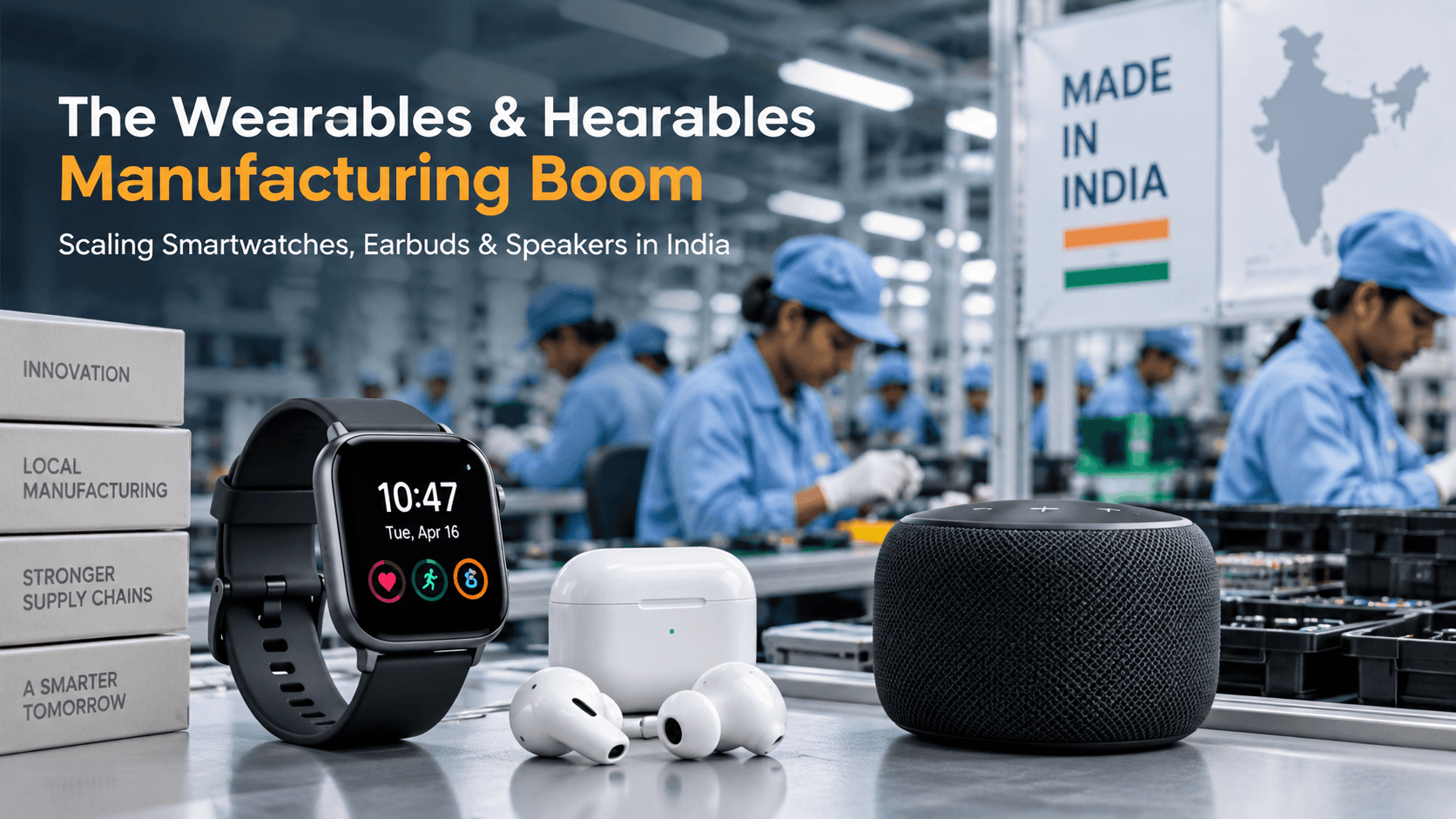
India has emerged as the world’s second-largest mobile phone manufacturer, and its EMS sector is growing at over 20% annually. EMS capabilities span PCB assembly (SMT and through-hole), box build, wearables, automotive electronics, industrial controls, and telecom equipment. Key clusters are in Tamil Nadu (Chennai, Sriperumbudur), Telangana, and Uttar Pradesh.
Indian EMS providers hold IPC-A-610, ISO 9001, and increasingly IATF 16949 certifications. PLI incentives have attracted Foxconn, Pegatron, and major domestic EMS companies to expand capacity significantly.
Precision Engineering and Components
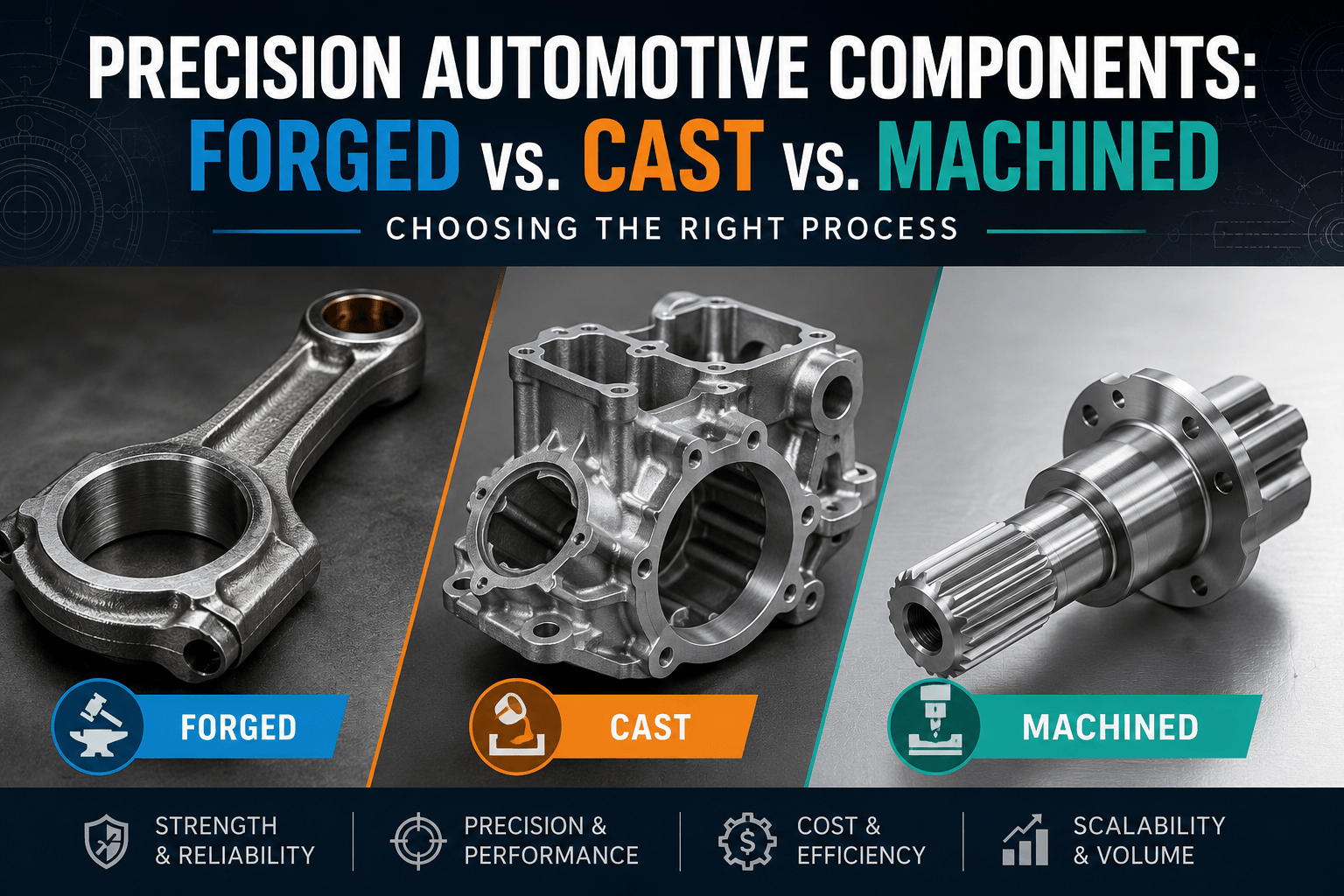
India is the world’s second-largest casting producer, with annual output exceeding 15 million tonnes. Investment casting, high-pressure die casting, CNC machining, metal forging, and sheet metal fabrication are well-developed across clusters in Rajkot, Coimbatore, Pune, and Ludhiana.
Precision components for aerospace, automotive, oil and gas, and industrial equipment are exported globally, with many suppliers holding AS9100, NADCAP, and IATF certifications.
Aerospace and Defence
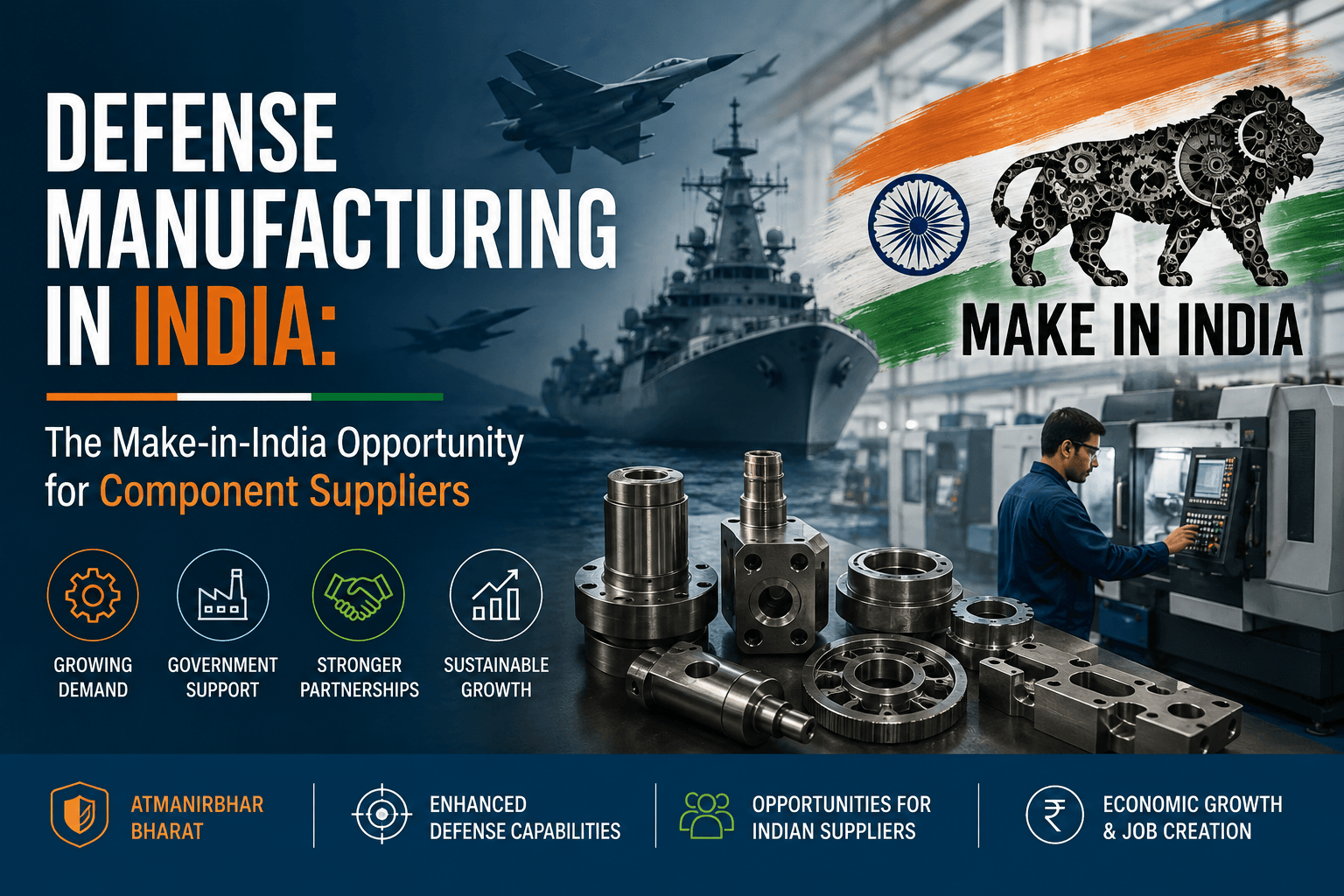
India’s aerospace and defence manufacturing sector has been opened significantly to private and foreign investment. Precision machined components, structural assemblies, avionics sub-systems, and MRO services are available from certified Indian manufacturers. The government’s Defence Industrial Corridors in Uttar Pradesh and Tamil Nadu are attracting significant investment in this sector.
Capital Goods and Heavy Fabrication
Structural steel fabrication, pressure vessels, heat exchangers, industrial plant equipment, and heavy assemblies are produced by a well-established heavy engineering sector – particularly in Gujarat, Maharashtra, and Andhra Pradesh.
Pharmaceuticals and FMCG
India is one of the world’s largest pharmaceutical manufacturers. The contract manufacturing ecosystem for generics, APIs, and medical devices is mature and internationally certified (WHO-GMP, FDA). FMCG contract manufacturing is growing rapidly as global brands shift from selling to making in India.
Cost Breakdown: What You Actually Pay
Labour Costs vs. China and Southeast Asia
Indian factory labour averages USD 150–300/month. Chinese industrial wages in major manufacturing zones have risen to USD 500–700/month. This labour cost delta is most significant for labour-intensive products – consumer electronics assembly, garment manufacturing, and precision hand-finishing operations.
Material and Component Costs
For standard industrial materials – steel, aluminium, fasteners, basic electronic components – Indian prices are broadly comparable to global market rates. Complex electronic components (ICs, display modules, camera modules) are still largely sourced from China and East Asia, which is a partial offset to the labour cost advantage.
Logistics, Duties, and Total Landed Cost
Add 15–20% to Indian factory gate price for freight, insurance, and import duties to reach total landed cost in the US or EU. This is slightly higher than from Vietnam or China purely on logistics – but the PLI subsidy, lower labour cost, and lower US/EU tariff risk on Indian imports frequently more than compensate.
PLI Subsidy Impact on Final Price
For PLI-eligible products manufactured in India, the 4–6% government incentive can be partially passed through to OEM pricing. A supplier producing USD 10 million annually in PLI-eligible output could receive USD 400,000–600,000 in incentives – a meaningful cost lever.
Quality Standards and Certifications to Require
ISO 9001 and Sector-Specific Certifications
ISO 9001 is the baseline – any CM you seriously consider should be ISO 9001 certified. Beyond that:
- Electronics: IPC-A-610 (workmanship), J-STD-001 (soldering)
- Automotive: IATF 16949
- Aerospace: AS9100, NADCAP
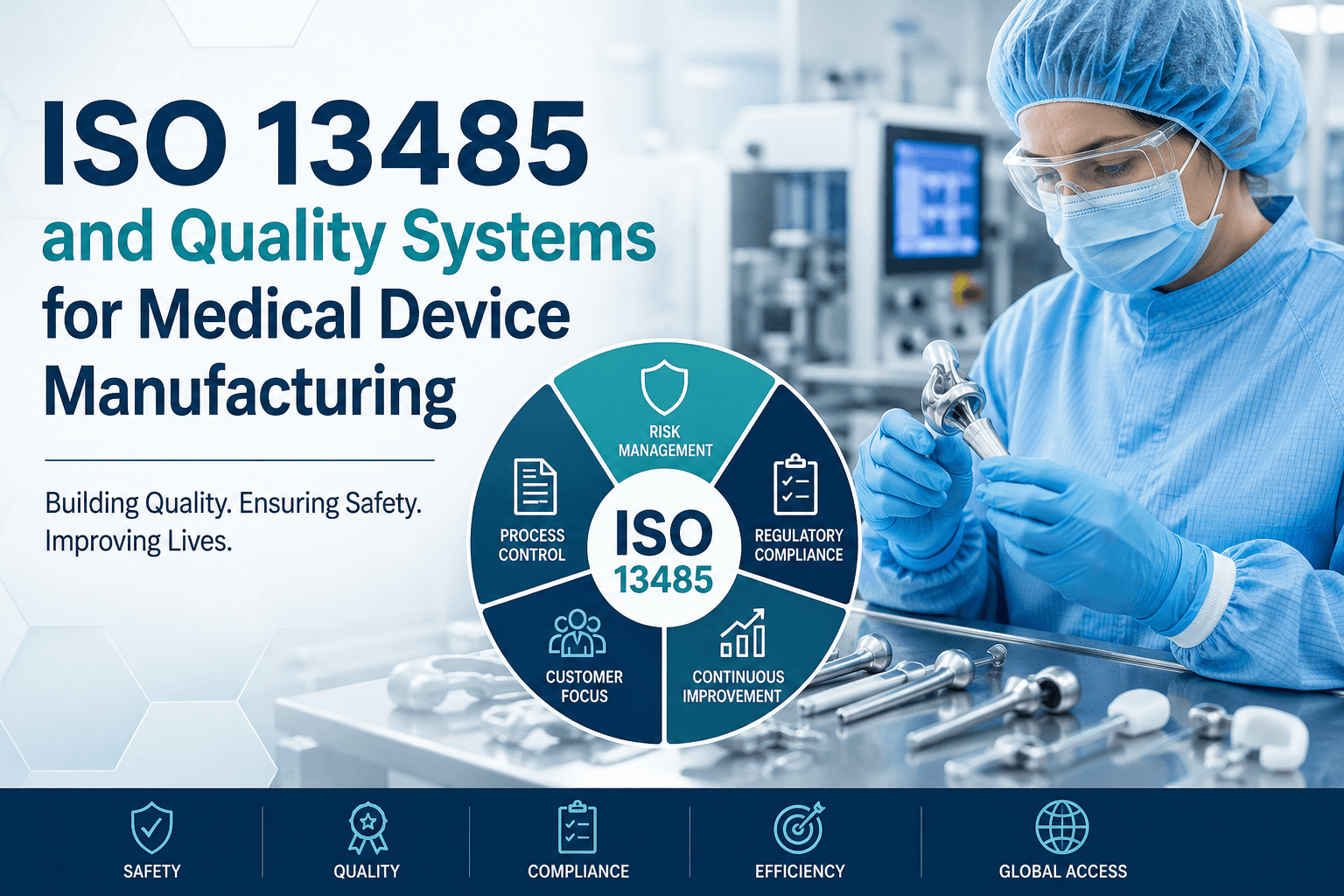
- Medical: ISO 13485
First Article Inspection and PPAP
For precision components, require First Article Inspection (FAI) to AS9102 or PPAP (Production Part Approval Process) to AIAG standards as a condition of production approval. This ensures dimensional, material, and functional conformance is verified and documented before volume production begins.
How to Audit Quality From a Distance
For buyers who cannot visit India frequently, third-party inspection agencies – Bureau Veritas, SGS, Intertek – operate extensively in Indian manufacturing clusters and can perform pre-shipment inspections, process audits, and corrective action follow-ups on your behalf.
IP Protection and Legal Framework
IP Laws in India: What’s Protected
India’s IP framework is broadly aligned with international standards – patent, trademark, and copyright law are all established. Design registration is available and provides meaningful protection for product designs. India is a signatory to the Paris Convention, WIPO, and the TRIPs agreement.
For OEMs manufacturing in India, the risk is less about legal gaps and more about operational diligence – ensuring NDAs are in place, contracts are properly drafted under Indian law, and sub-supplier disclosure is controlled.
Contract Clauses Every OEM Must Include
- Explicit ownership of designs, drawings, and tooling (owned by OEM)
- Prohibition on manufacturing for third parties using OEM’s designs
- Confidentiality obligations extending to sub-suppliers
- Step-in rights for tooling in the event of supplier default
- Governing law clause (consider international arbitration for significant contracts)
NDA Best Practices for Indian Partnerships
Execute NDAs before sharing any technical documentation. Use a detailed NDA – not a one-page letter – that covers digital files, physical drawings, and any prototypes or samples. Register the NDA with a lawyer in the relevant Indian state for added enforceability.h
How to Find and Vet a Contract Manufacturer in India
Self-Sourcing Through Trade Shows and Directories
Engineering Export Promotion Council (EEPC), IndiaMart, and trade shows like IMTEX and Aero India provide access to the manufacturing ecosystem. Self-sourcing is time-intensive and requires in-person visits to shortlisted factories.
Using a Sourcing Agent
India-based sourcing agents can pre-screen suppliers, manage factory audits, and coordinate quality inspection – useful for buyers without India-based operations. Agent fees are typically 3–5% of purchase value.
Platform-Based Manufacturing (Pre-Vetted Network)
The most efficient route for global OEMs is a digital manufacturing platform that has already pre-qualified a network of Indian manufacturers across processes, certifications, and capability levels. Platforms like Zetwerk provide:
- Instant access to suppliers across 25+ processes
- Structured RFQ and transparent pricing
- In-process quality checkpoints and production tracking
- Single point of accountability for delivery and quality
This compresses a 3–6 month independent supplier search to days, with built-in quality and delivery assurance.
Challenges to Be Aware Of
Lead Time Variability
India’s manufacturing lead times – particularly for tooling, castings, and complex assemblies – can be longer and more variable than China’s, reflecting a less densely integrated supply chain ecosystem. Build lead time buffer into your demand planning, especially for initial orders.
Infrastructure Gaps in Tier-2 Locations
Logistics infrastructure in major industrial clusters (Chennai, Pune, Bangalore, Ahmedabad) is generally good. In Tier-2 cities, road connectivity and power reliability can be variable. Prefer suppliers in established clusters for export production.
Communication and Documentation Standards
English proficiency is high in Indian manufacturing – significantly higher than in China or Vietnam – but documentation standards vary. Specify your documentation requirements explicitly in your purchase orders and quality plans.
Step-by-Step: How to Get Started
Define Your Manufacturing Requirements
Before approaching any supplier, document your requirements: processes, materials, tolerances, certifications, annual volume, lead time, and quality standards. This specification is the basis for a meaningful RFQ and supplier evaluation.
Shortlist and RFQ
Identify 3–5 candidates – through a platform, sourcing agent, or self-research – and issue a structured RFQ with all technical and commercial requirements. Evaluate quotes on total landed cost, not just unit price.
Pilot Run and Qualification
Before committing to volume production, run a qualification order: a first article inspection, a small pilot batch, and a quality review. This surfaces any capability or process gaps before they affect your customers.
Scale and Ongoing Management
Once qualified, build a cadence of supplier reviews (quarterly as minimum), clear KPIs (on-time delivery, first-pass yield), and an escalation process for non-conformances. On a platform like Zetwerk, this is managed through the digital interface.
Key Takeaways
- India’s CM market is growing to USD 38.9B by 2028 – driven by cost advantage, PLI incentives, and supply chain diversification
- Electronics EMS, precision engineering, aerospace, capital goods, and pharma are the highest-quality sectors for India-based CM
- Labour costs average USD 3/hr vs. USD 5.80 in China; PLI adds another 4–6% effective cost advantage
- IP protection is manageable with proper contracts and NDAs; India’s IP framework is internationally aligned
- Platform-based manufacturing is the fastest, lowest-risk route for global OEMs accessing India’s CM market
FAQ
Q. Is India manufacturing quality reliable for export markets?
Yes – with proper supplier qualification and certification verification. Many Indian manufacturers hold AS9100, IATF 16949, and IPC certifications and export to the US, EU, and Japan. Quality is a function of supplier selection, not geography.
Q. What is the minimum order size for contract manufacturing in India?
This varies by process and supplier. Precision components can be produced in small batches (50–500 pieces). Electronics EMS typically becomes efficient at 1,000+ PCBs. Heavy fabrication is project-based rather than volume-based.
Q. Do I need a legal entity in India to source contract manufacturing?
No. You can source from Indian CM partners on an arm’s-length commercial basis without a local entity. For large, strategic programmes, a local liaison office or sourcing agent is helpful but not required.