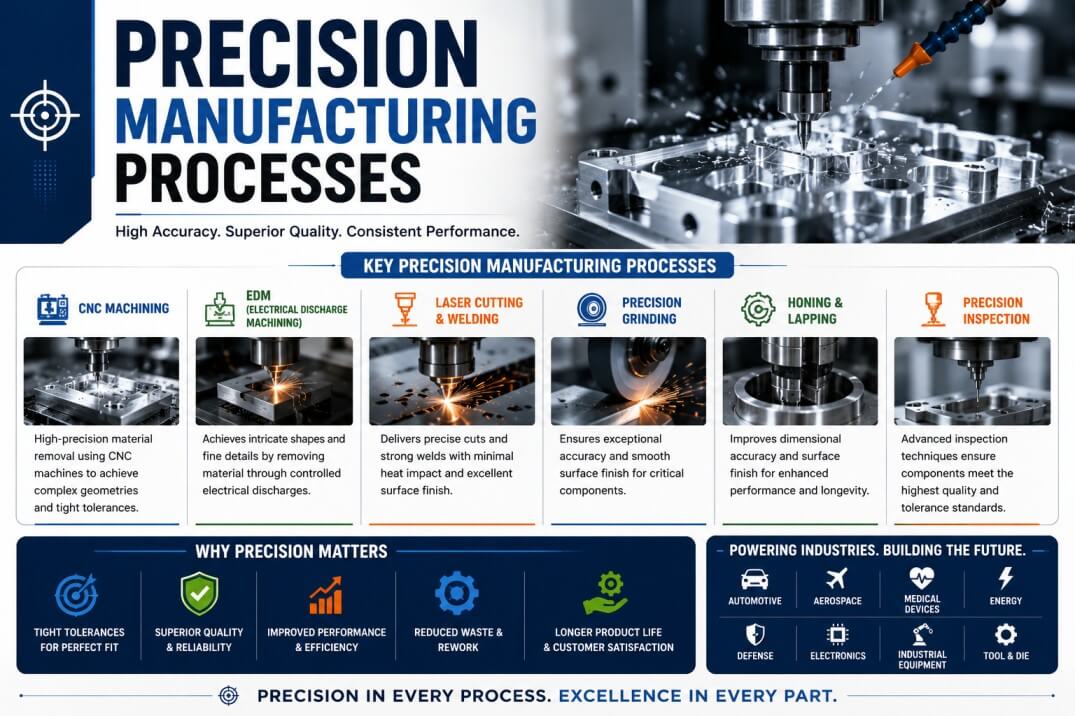
Tooling and Mold Design: What Buyers Need to Know
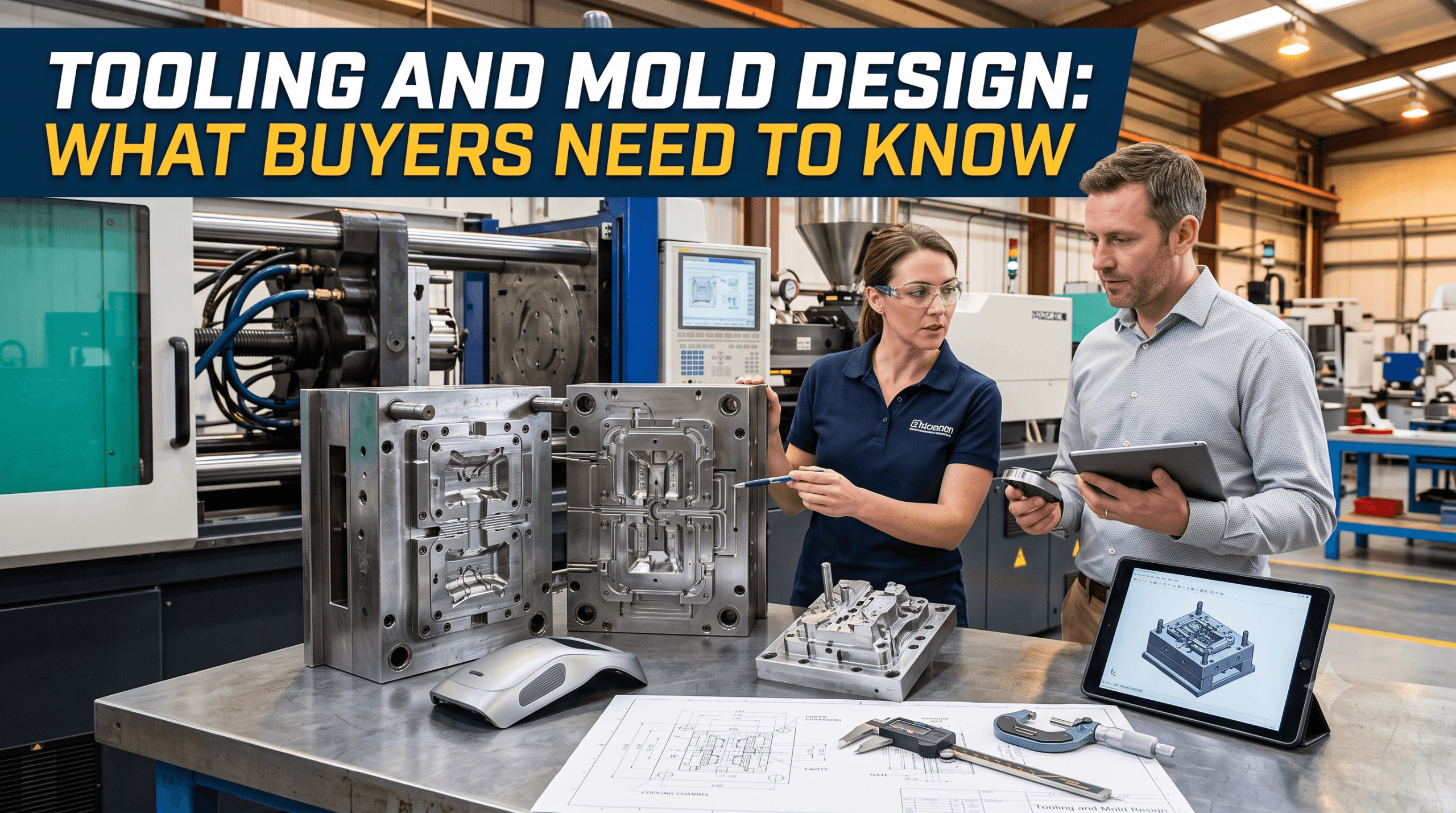
When sourcing custom plastic or metal components, tooling is one of the biggest investments you’ll make. The quality of the mold directly affects part quality, production speed, manufacturing costs, and long-term reliability.
Whether you’re launching a new product or moving production to a new supplier, understanding the basics of tooling and mold design helps you make better purchasing decisions, avoid expensive changes, and reduce delays.
What Is Tooling?
Tooling refers to the specialized equipment used to manufacture parts. In injection molding, the primary tool is the mold. It shapes molten material into the finished product.
A mold is typically made from hardened steel or aluminum and consists of precision-machined cavities that determine the part’s final dimensions and surface finish.
Although tooling requires a significant upfront investment, it enables consistent, repeatable production over thousands or even millions of cycles.
Why Mold Design Matters
A well-designed mold does much more than produce the correct shape. It influences nearly every aspect of manufacturing, including:
- Part accuracy
- Surface finish
- Cycle time
- Material usage
- Scrap rate
- Production consistency
- Maintenance requirements
Poor mold design often leads to defects such as warping, sink marks, flash, short shots, and uneven filling. These issues increase production costs and may require expensive tooling modifications.
Factors That Affect Tooling Costs
Several variables influence tooling pricing.
Part Complexity
Complex geometries require additional machining, slides, lifters, or multiple cavities. These features increase both design effort and manufacturing costs.
Material Selection
Different production materials require different mold materials and surface treatments. Abrasive or high-temperature plastics may require hardened tool steel to extend mold life.
Production Volume
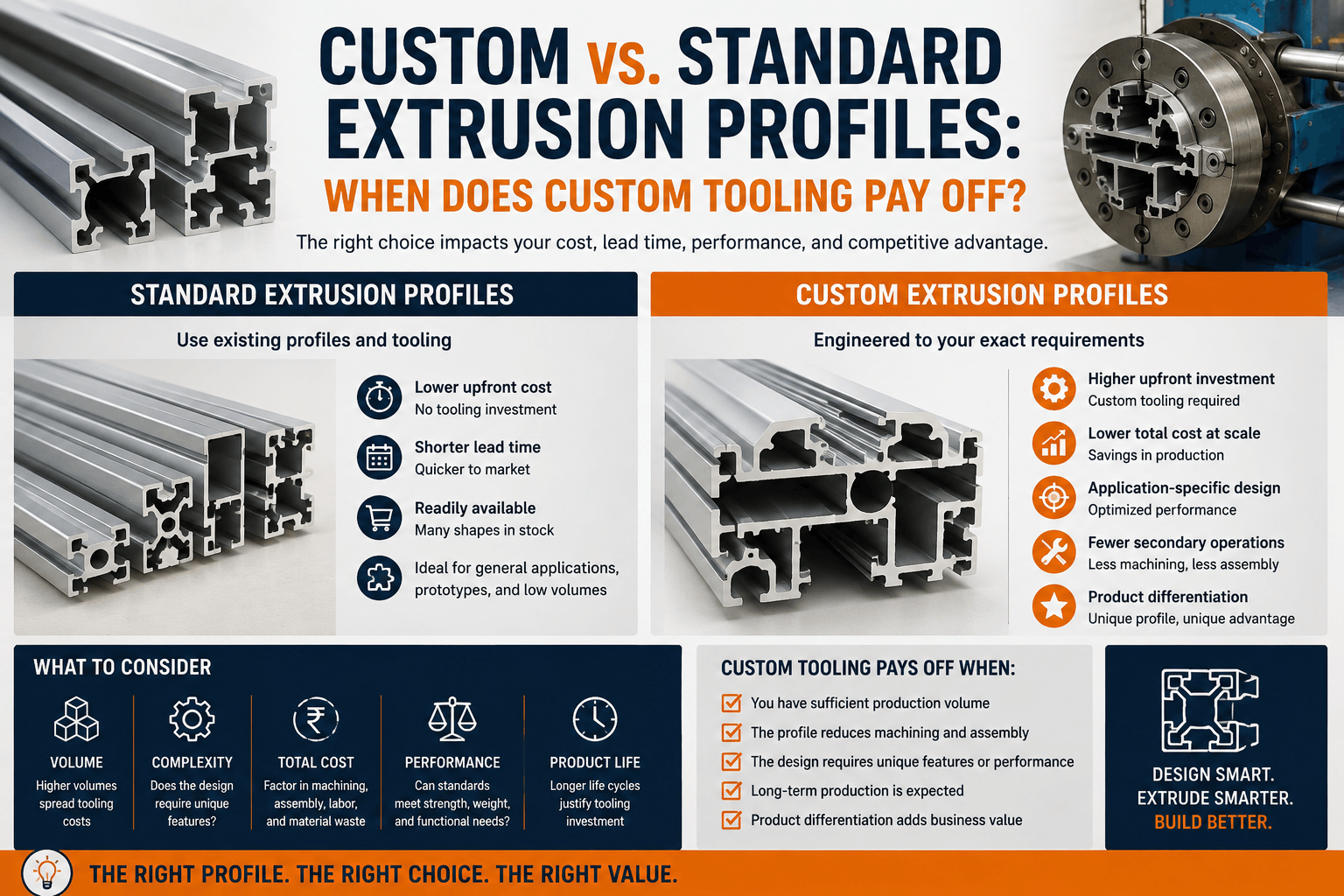
Expected production volume determines the type of tooling that makes the most financial sense.
For example:
- Prototype tooling supports early product validation.
- Aluminum molds work well for low to medium production runs.
- Hardened steel molds are better suited for long-term, high-volume manufacturing.
Selecting the right tooling based on production needs helps balance upfront investment with long-term cost efficiency.
Number of Cavities
Single-cavity molds produce one part per cycle, while multi-cavity molds manufacture multiple parts simultaneously.
Although multi-cavity molds cost more initially, they often reduce the cost per part for high-volume production.
Key Mold Design Considerations
Good mold design begins long before manufacturing starts.
Draft Angles
Draft angles allow parts to release cleanly from the mold without damage. Insufficient draft increases wear and raises the risk of defective parts.
Uniform Wall Thickness
Consistent wall thickness promotes even cooling and reduces shrinkage, warping, and sink marks.
Gate Location
Gate placement controls how material enters the mold. Proper positioning improves filling, minimizes cosmetic defects, and reduces internal stresses.
Cooling Channels
Efficient cooling systems shorten cycle times while maintaining consistent part dimensions.
Poor cooling design can significantly reduce manufacturing efficiency.
Venting
Air trapped inside the mold can create burn marks or incomplete filling. Proper venting allows gases to escape during injection.
Design for Manufacturability (DFM)
Many suppliers perform a Design for Manufacturability (DFM) review before building the mold.
A DFM review identifies opportunities to improve production efficiency by evaluating:
- Wall thickness
- Draft angles
- Undercuts
- Material flow
- Parting line placement
- Gate location
- Tolerance requirements
Addressing these issues early helps avoid costly mold revisions after production begins.
Questions Buyers Should Ask Before Approving Tooling
Before approving a tooling project, consider asking your supplier:
- What mold material will be used?
- What is the expected tool life?
- Will the supplier provide DFM feedback?
- How many cavities are recommended?
- What tolerances can be maintained?
- Who owns the tooling after payment?
- How will mold maintenance be handled?
- Can replacement components be manufactured if repairs are needed?
- What validation and sample inspection process will be followed?
These questions help clarify expectations before production starts.
Common Mistakes Buyers Make
Many tooling problems can be traced back to decisions made early in the project.
Some common mistakes include:
- Choosing the lowest tooling quote without evaluating quality
- Ignoring DFM recommendations
- Overlooking future production volume
- Requesting extremely tight tolerances where they are unnecessary
- Failing to define tooling ownership in supplier agreements
- Delaying design changes until after mold construction begins
Avoiding these issues can save significant time and expense over the life of the project.
Balancing Cost and Long-Term Value
Lower tooling costs may seem attractive during supplier selection, but the least expensive option is not always the most economical.
A well-designed mold typically delivers:
- Longer production life
- Lower maintenance costs
- Better part consistency
- Faster cycle times
- Reduced scrap
- More predictable manufacturing performance
For products with long production runs, investing in high-quality tooling often lowers the total cost of ownership.
Final Thoughts
Tooling is more than an upfront manufacturing expense. It is the foundation of efficient, repeatable production. Buyers who understand the basics of mold design can make better sourcing decisions, communicate more effectively with suppliers, and reduce the risk of costly production issues.
By evaluating tooling quality alongside price, production volume, and long-term maintenance requirements, manufacturers can improve product quality while achieving better value throughout the life of the project.
Frequently Asked Questions
How long does it take to build a production mold?
Lead times typically range from four to twelve weeks, depending on part complexity, mold size, and supplier capacity.
What is the difference between aluminum and steel molds?
Aluminum molds are generally faster and less expensive to produce, making them suitable for prototypes and lower production volumes. Steel molds offer greater durability and are preferred for high-volume manufacturing.
Who owns the mold after it is built?
Ownership depends on the purchase agreement. Buyers should ensure tooling ownership, storage responsibilities, and transfer rights are clearly documented before production begins.
Can a mold be modified after production starts?
Yes, but modifications can be expensive and may increase lead times. Completing a thorough DFM review before mold construction helps minimize the need for engineering changes later.