
CNC Machining: A Buyer’s Guide to Precision Parts
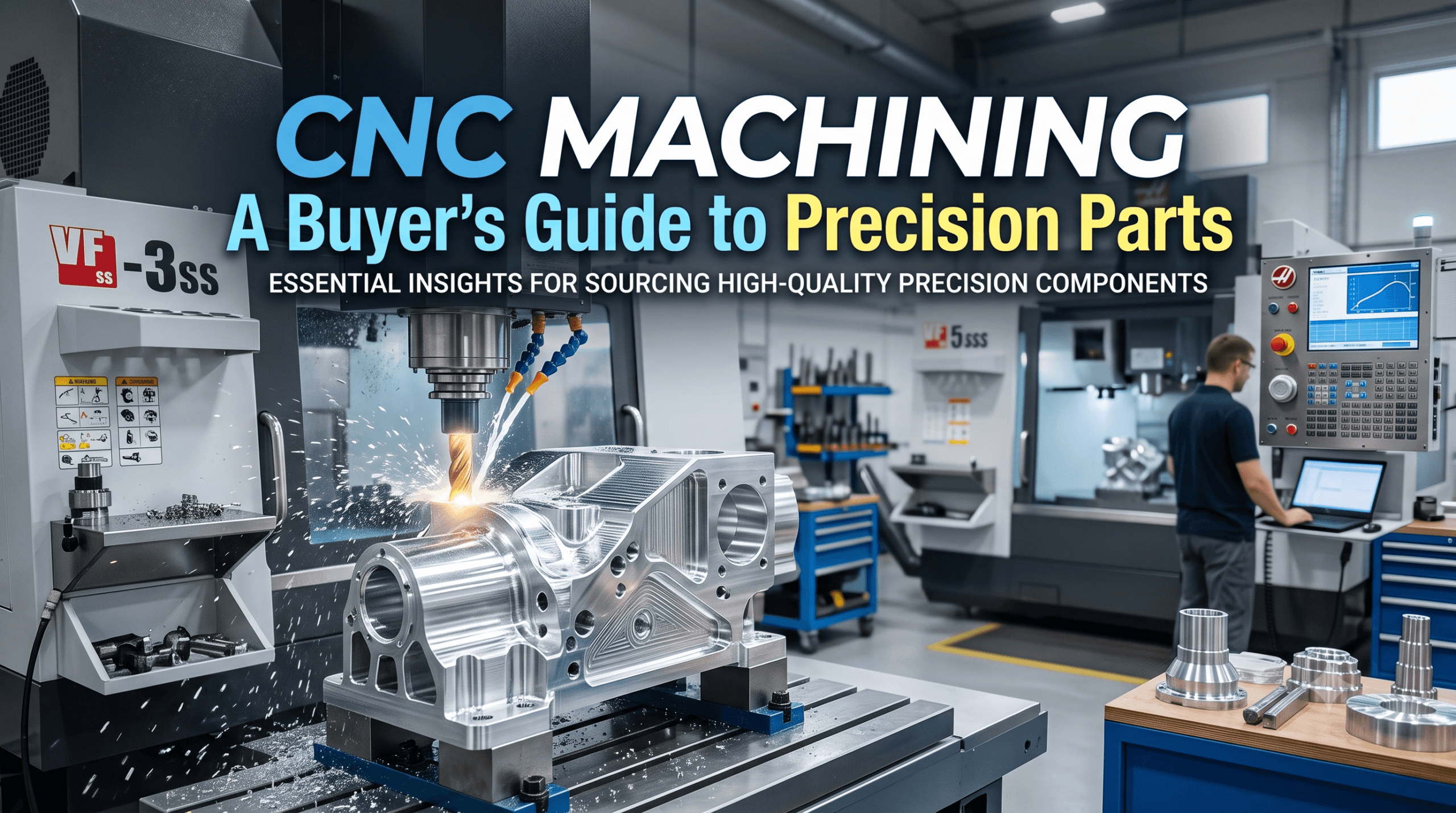
Finding the right CNC machining partner can make the difference between a successful product launch and costly production delays. Whether you need a prototype, a small production run, or high-volume manufacturing, understanding how CNC machining works helps you make informed purchasing decisions.
This guide explains the key factors buyers should evaluate, from material selection and machining capabilities to quality control and pricing, so you can source precision parts with confidence.
What Is CNC Machining?
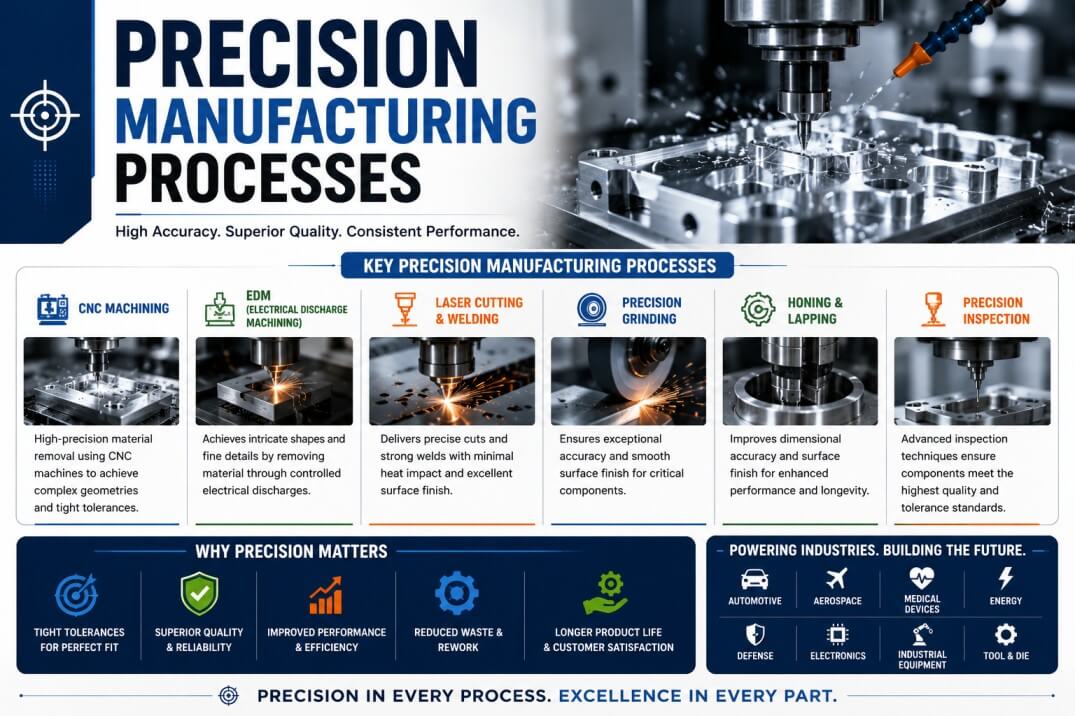
Computer Numerical Control (CNC) machining is a manufacturing process that uses computer-controlled equipment to remove material from a solid block, also known as a workpiece. The process produces highly accurate components with tight tolerances and excellent repeatability.
Common CNC machining processes include:
- CNC milling
- CNC turning
- Drilling
- Tapping
- Surface finishing
CNC machining is widely used across industries such as aerospace, automotive, medical devices, electronics, robotics, and industrial equipment because it delivers consistent quality and supports a wide range of materials.
When CNC Machining Is the Right Choice
CNC machining is ideal when parts require:
- Tight dimensional tolerances
- Complex geometries
- High mechanical strength
- Smooth surface finishes
- Reliable repeatability
- Fast turnaround for prototypes
It is also a practical option for low- to medium-volume production where creating injection molding tooling would not be cost effective.
Choosing the Right Material
Material selection affects strength, weight, durability, machinability, and cost.
Aluminum
Aluminum is lightweight, corrosion resistant, and easy to machine. It is commonly used for automotive components, electronics enclosures, and aerospace parts.
Stainless Steel
Stainless steel provides excellent strength and corrosion resistance. It is well suited for medical equipment, food processing machinery, and industrial applications.
Carbon Steel
Carbon steel offers high strength and wear resistance at a competitive cost. It is often selected for structural and mechanical components.
Brass
Brass machines easily and provides an attractive finish. It is frequently used for fittings, valves, and electrical components.
Plastics
Engineering plastics such as Delrin, PEEK, Nylon, and PTFE are suitable for lightweight parts, electrical insulation, and chemical resistance.
Selecting the right material should balance performance requirements, manufacturing cost, environmental conditions, and expected product life.
Understanding Tolerances
Tolerance defines how much a part’s dimensions may vary while still meeting design requirements.
Tighter tolerances improve precision but generally increase machining time, inspection requirements, and manufacturing cost.
Before requesting extremely tight tolerances, consider whether they are necessary for your application’s performance. Specifying realistic tolerances helps reduce costs without sacrificing quality.
Surface Finishes and Post Processing
Many machined components require additional finishing after machining.
Common finishing options include:
- Anodizing
- Powder coating
- Bead blasting
- Electropolishing
- Black oxide
- Plating
- Passivation
- Painting
The right finish improves appearance, corrosion resistance, wear resistance, or electrical performance depending on the application.
Questions to Ask a CNC Machining Supplier
Before placing an order, evaluate potential suppliers by asking:
- What machining tolerances can you consistently achieve?
- Which materials do you specialize in?
- What quality certifications do you hold?
- Can you provide inspection reports?
- What is your average lead time?
- Do you support prototyping and production?
- What inspection equipment do you use?
- Can you handle secondary operations and assembly?
A qualified supplier should provide clear answers and demonstrate experience with projects similar to yours.
Factors That Influence Cost
Several variables determine the final price of CNC machined parts.
Part Complexity
Complex geometries require more machining time and additional tool changes.
Material Type
Some materials are more difficult to machine, increasing production costs.
Quantity
Higher production volumes often reduce the cost per part because setup costs are spread across more units.
Tolerances
Extremely tight tolerances require slower machining speeds and additional inspections.
Surface Finish
Additional finishing processes increase manufacturing time and overall cost.
Providing complete design files and realistic manufacturing requirements helps suppliers prepare accurate quotations.
Quality Assurance Matters
Reliable CNC machining depends on consistent quality control throughout production.
Look for manufacturers that use:
- Coordinate Measuring Machines (CMM)
- First Article Inspection (FAI)
- In-process inspections
- Final dimensional inspections
- Material traceability
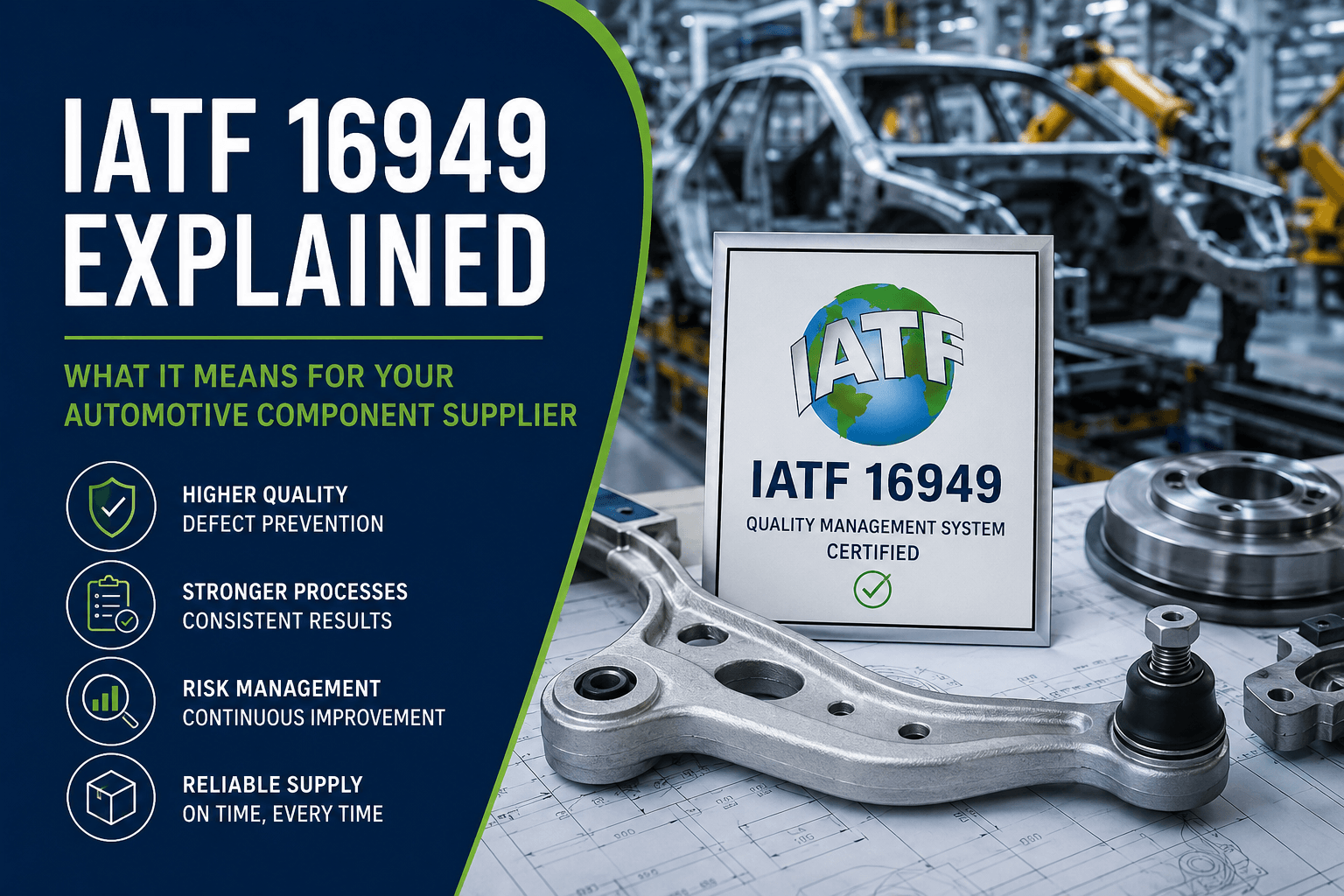
- Documented quality management systems
These practices help ensure every part meets the required specifications before shipment.
Preparing a Request for Quote (RFQ)
A complete RFQ speeds up the quoting process and reduces misunderstandings.
Include:
- CAD files (STEP or IGES preferred)
- Engineering drawings
- Material specifications
- Required tolerances
- Surface finish requirements
- Quantity
- Delivery schedule
- Special inspection or certification requirements
Providing detailed information enables suppliers to deliver more accurate pricing and lead times.
Common Mistakes Buyers Should Avoid
Many sourcing challenges can be prevented with proper planning.
Avoid these common mistakes:
- Specifying unnecessarily tight tolerances
- Selecting materials without considering application requirements
- Omitting critical drawing details
- Choosing suppliers based only on the lowest price
- Ignoring quality certifications and inspection capabilities
- Failing to discuss lead times early in the project
Taking a strategic approach helps reduce production risks and unexpected costs.
How to Choose the Best CNC Machining Partner
The best machining partner offers more than competitive pricing. They combine technical expertise, reliable communication, robust quality control, and dependable delivery performance.
Look for suppliers with proven industry experience, modern equipment, transparent processes, and the ability to scale from prototype development to production manufacturing.
A strong manufacturing partnership can improve product quality, shorten development cycles, and reduce long-term production costs.
Key Takeaways
CNC machining remains one of the most versatile and reliable manufacturing methods for producing precision components. By understanding materials, tolerances, finishing options, quality standards, and supplier capabilities, buyers can make better sourcing decisions and reduce manufacturing risks.
Investing time in selecting the right machining partner often results in higher-quality parts, predictable lead times, and a more efficient production process.
Frequently Asked Questions
How accurate is CNC machining?
Modern CNC machines can achieve very tight tolerances, although the exact capability depends on the machine, material, part geometry, and manufacturing process.
What file format should I send for a quote?
STEP files are widely preferred because they preserve accurate 3D geometry. Engineering drawings should also be included when critical dimensions and tolerances are required.
Which industries use CNC machining?
CNC machining is commonly used in aerospace, automotive, medical, electronics, defense, industrial automation, energy, and consumer product manufacturing.
Is CNC machining suitable for prototypes?
Yes. CNC machining is one of the fastest and most accurate methods for producing functional prototypes using production-grade materials.
What affects CNC machining lead times?
Lead times depend on material availability, part complexity, order quantity, finishing requirements, inspection needs, and the supplier’s production capacity.