
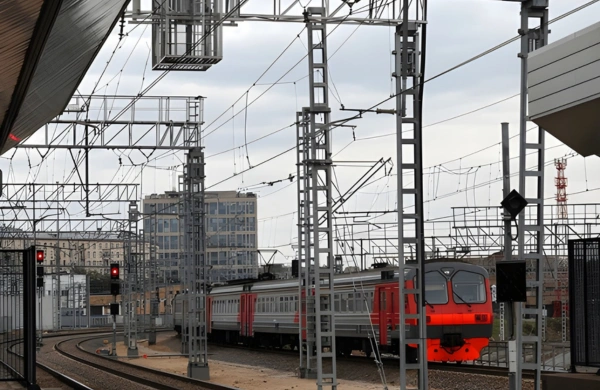
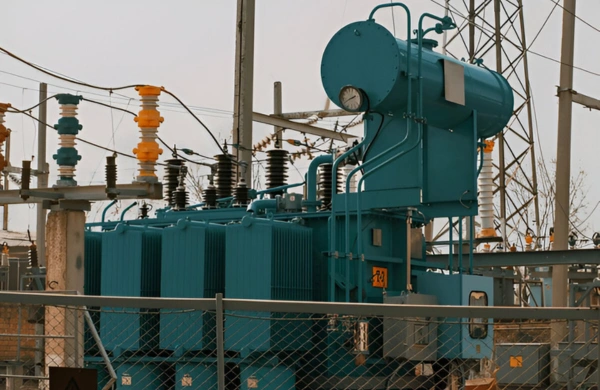

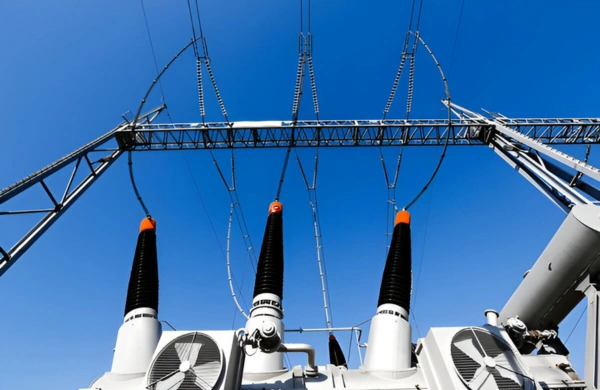
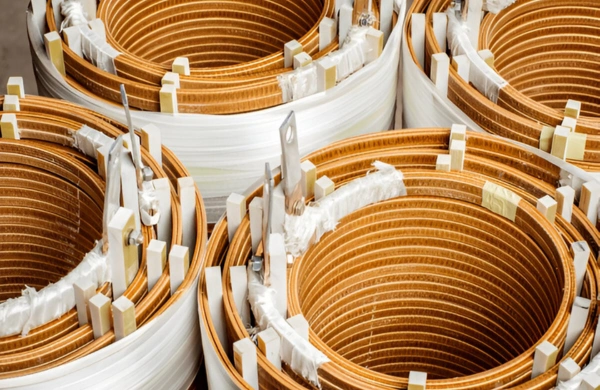


Railways and metro networks form the lifeline of modern cities and economies. As these systems expand to meet urban mobility and freight demands, their success depends on one critical factor—reliable electrical power conversion. At the center of this process lies the traction transformer, a specialized unit engineered to convert, regulate, and deliver power efficiently to rolling stock and traction substations.
Know About Traction Transformers: Powering Railways and Metro Projects
Zetwerk provides high-quality Precision Components and all secondary operations.
Submit the relevant part drawings, 3D files, and other information by clicking on the button below.

Whether in high-speed trains, suburban metros, or heavy-haul locomotives, traction transformers ensure smooth, safe, and energy-efficient operation. For EPCs, rail authorities, and OEMs, understanding how these transformers work—and what to look for in one—is key to ensuring dependable performance over decades of service.
What Is a Traction Transformer?
A traction transformer converts high-voltage power from overhead catenary lines or substations into lower, usable voltages required for train propulsion, auxiliary systems, and onboard power supply.
These transformers are designed to withstand mechanical vibration, thermal stress, and frequent load variations that occur in railway and metro operations. Unlike standard distribution transformers, traction units demand higher robustness, compactness, and consistent performance in demanding environments.
Typical Operating Parameters:
- Primary voltage: 25 kV or 50 kV AC (depending on network design)
- Frequency: 50 Hz / 60 Hz
- Installation type: Onboard (for locomotives) or wayside (for substations)
- Cooling method: Oil-cooled or forced-air (dry-type for metro systems)
Role of Traction Transformers in Railway Electrification
Modern railway electrification systems rely on traction transformers for efficient energy conversion between grid and traction networks. Their functions include:
1. Voltage Conversion and Isolation
They step down high-voltage grid supply to suitable traction voltages (e.g., 25 kV AC → 1.5 kV or 750 V DC), ensuring compatibility with propulsion systems.
2. Load Balancing
Traction transformers handle frequent and rapid load changes due to train acceleration, braking, and regenerative energy return.
3. Power Quality and Protection
They maintain voltage stability, reduce harmonics, and provide isolation between traction and public utility networks.
4. Safety and Reliability
Engineered with reinforced insulation and fire-safe materials, these transformers safeguard both passengers and equipment against electrical faults.
Engineering Challenges in Traction Transformer Design
Designing traction transformers involves balancing high performance, compact construction, and reliability.
1. Thermal Management
Transformers face heavy dynamic loading. Advanced cooling systems—oil-forced (OFAF) or air-forced (ANAF)—are used to maintain temperature within safe limits.
2. Mechanical Vibration and Shock Resistance
Rail-mounted transformers must endure continuous vibration and shock. Zetwerk’s designs emphasize structural rigidity, damping, and vibration-resistant insulation.
3. Electromagnetic Compatibility
With modern trains using power electronics (IGBT converters and inverters), transformers are optimized to minimize EMI and harmonic distortion.
4. Weight Optimization
Lightweight designs using high-grade magnetic materials and compact windings reduce axle load and improve train energy efficiency.
Standards Governing Traction Transformer Design
Traction transformers for rail and metro applications are typically built and tested according to:
- IEC 60310 – Railway applications – Electric traction transformers
- EN 45545 – Fire protection standards
- IS 2026 / IS 11171 – Indian standards for power and dry-type transformers
Testing typically includes routine, type, and special tests; temperature rise and impulse tests; and vibration, noise, and insulation endurance validation to ensure field-ready reliability for both onboard and substation applications.
Applications Across Rail and Metro Projects
Zetwerk’s traction transformers support power delivery and stability across:
- Mainline Railways: For electric locomotives and EMUs operating under 25 kV AC.
- Metro Systems: Compact, dry-type transformers for underground and elevated metro lines.
- Dedicated Freight Corridors: High-capacity traction units for consistent heavy-load operation.
- Renewable-powered rail infrastructure: Integration with solar-fed substations for green rail corridors.
Conclusion
As India and global cities invest heavily in electrified rail and metro systems, traction transformers have become the cornerstone of safe, efficient, and sustainable transportation. These transformers ensure uninterrupted performance, energy efficiency, and power quality for the rail networks that drive urban progress.
Understanding their design principles, engineering challenges, and applicable standards is essential for EPCs, rail authorities, and OEMs evaluating traction transformer requirements for new or upgraded rail infrastructure.
Explore Zetwerk’s transformer manufacturing capabilities →
FAQs
A. It converts high-voltage AC from catenary or substations into lower voltage suitable for train traction motors and auxiliary systems.
A. IEC 60310 and EN 45545 are primary global standards governing design, safety, and testing.
A. They are built for vibration, frequent load cycling, compactness, and fire safety—unlike stationary power transformers.
A. Common methods include oil-forced (OFAF), air-forced (ANAF), or dry-type resin cooling for metro applications.
A. Primary voltages are usually 25 kV or 50 kV AC, stepped down to levels suitable for propulsion systems such as 1.5 kV or 750 V DC.